Blog
Practical write-ups on the problems the tools here solve — why a file is too big, which format to pick, what a setting actually does. Every post ends with the tool that does the job, if we have one.
November 20262
 Developer
Why Your JSON Fails to Parse: the Usual Five
The parser tells you where it gave up, not where you went wrong. Five mistakes, the message each one produces, and a way to cut a stubborn file in half.
Read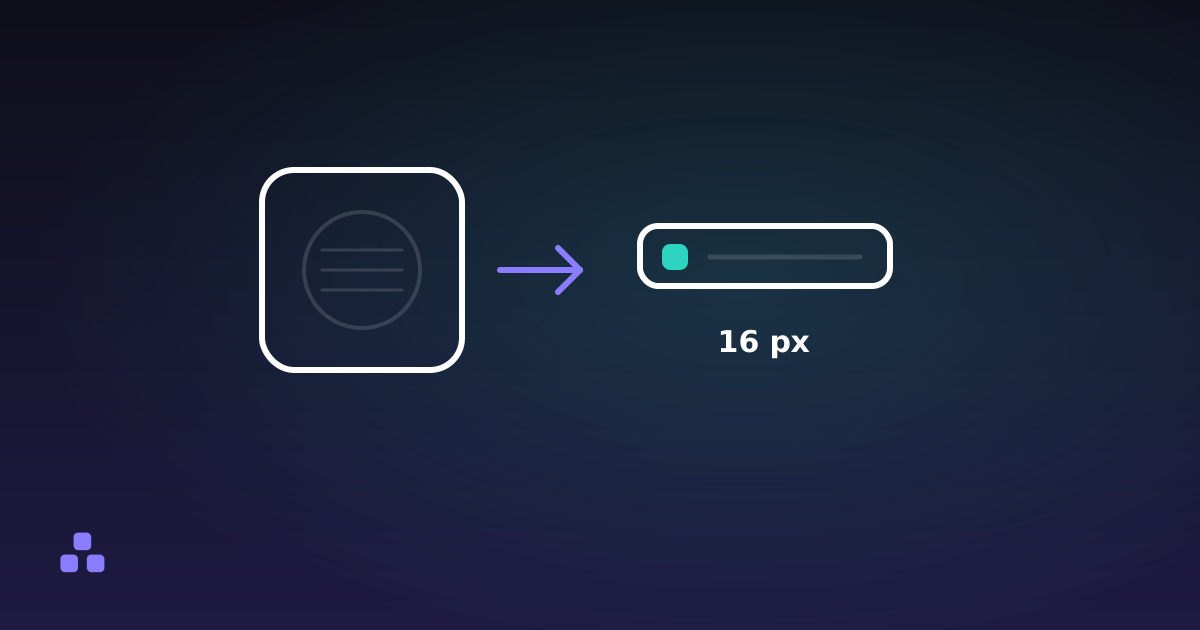 Images
Why Your Favicon Looks Blurry in a Browser Tab
A tab icon is about 16 pixels wide, so detail that reads on a design board turns to mud. What to simplify, why one shape beats a wordmark, and how to test at real size.
ReadOctober 202620
 Time
How to Schedule a Meeting Across Timezones
Anchor the meeting to one named zone, check whether daylight saving changes between now and the date, and write the invitation so it cannot be misread.
Read Developer
What the = at the End of Base64 Means
The equals signs are bookkeeping for a last group that came up short. When they can go, and what a string’s length tells you before you decode it.
Read Images
Favicon Checklist: What to Put in the Head
Three or four link tags in the head cover every browser in real use. Which ones, what the order does, which old tags to drop, and how to check a live page.
Read Design
How to Put a Gradient on Text in CSS
A gradient cannot be a text colour, so it is painted behind the letters and clipped to them. Three lines do it; the rest of the work is what happens when the clip fails.
Read Security
How to Verify a Download You Did Not Expect
A matching checksum says the file arrived as published. Whether it is the file you should run depends on where the checksum came from, and on checks that come before any hash.
Read Developer
The Regex Mistakes That Waste an Afternoon
Three regex mistakes return something that looks almost right, which is why they cost hours instead of minutes. How to recognise each one in a minute.
Read Everyday
What a QR Code Actually Contains
A QR code holds a short piece of text, and nothing else. What that means for codes that die, and how to read the size and the margin off one.
Read PDF
What Makes a PDF Enormous
Almost always images, sometimes whole fonts, occasionally every save since the file was created. How to tell which, and what comes out without touching a page.
Read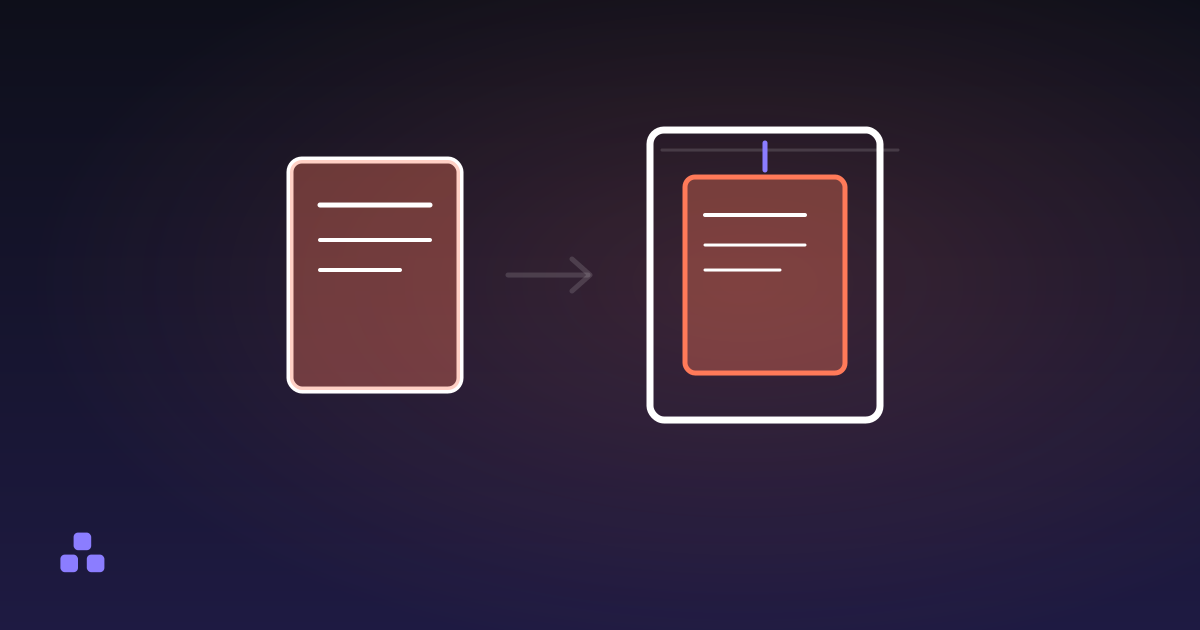 PDF
Why a PDF Looks Different When It Prints
The page that fills your screen comes out with a margin, shrunk or sideways. Four things can cause it, and the file tells you which.
Read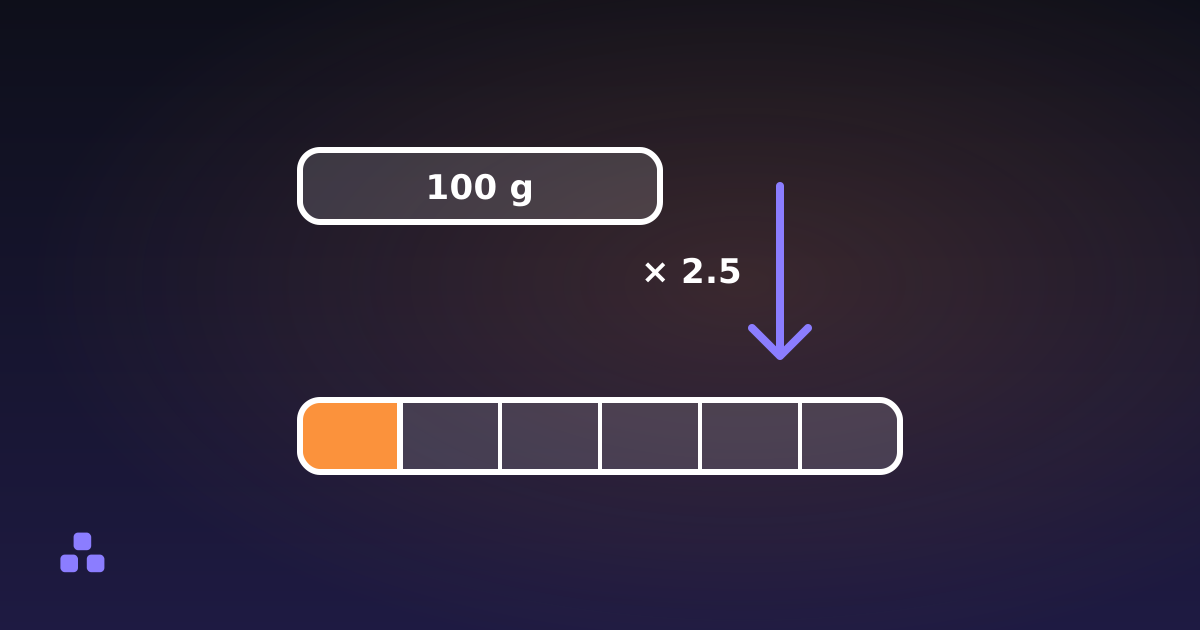 Calculators
Reading a Nutrition Label in the Other System
Kilojoules or calories, per 100 g or per serving, and a serving that is two thirds of the packet: the conversions, and where a true label still misleads.
Read Text
What Title Case Actually Is
APA, Chicago and MLA agree on the first and last word and argue about the small ones in between.
Read Text
Why Text Pasted From Word Goes Wrong
Word swaps plain characters for look-alikes while you type. They read fine and fail the first time something compares them exactly.
Read Images
What DPI Means on a Screen (Mostly Nothing)
The DPI number in an image file is a note for a printer. A browser never reads it, so 72 DPI is not a web setting. What sets the size on a page, and when the number does count.
Read Images
Why a Logo Should Be an SVG
An SVG is a set of drawing instructions and a PNG is a grid of pixels measured once. That difference decides how a logo looks on a 3x phone, in an email and in a browser tab.
Read Design
Choosing Colours for Dark Mode
A dark theme is a second palette, not a negative of the first. What to change, and which numbers to check again.
Read Design
sRGB vs Display P3, and Why Your Colours Shifted
A hex code is a set of numbers, and the numbers only mean a colour once you know which space they are measured in.
Read Calculators
How to Split a Bill Fairly, With Tax and Tip
The arithmetic takes a minute. The part that starts arguments is the shared starter, and whether the tip goes on the tax.
Read Calculators
What CAGR Tells You, and What It Hides
One constant yearly rate that joins a start and an end. How to work it out, why it is not the average return, and what the straight line leaves out.
Read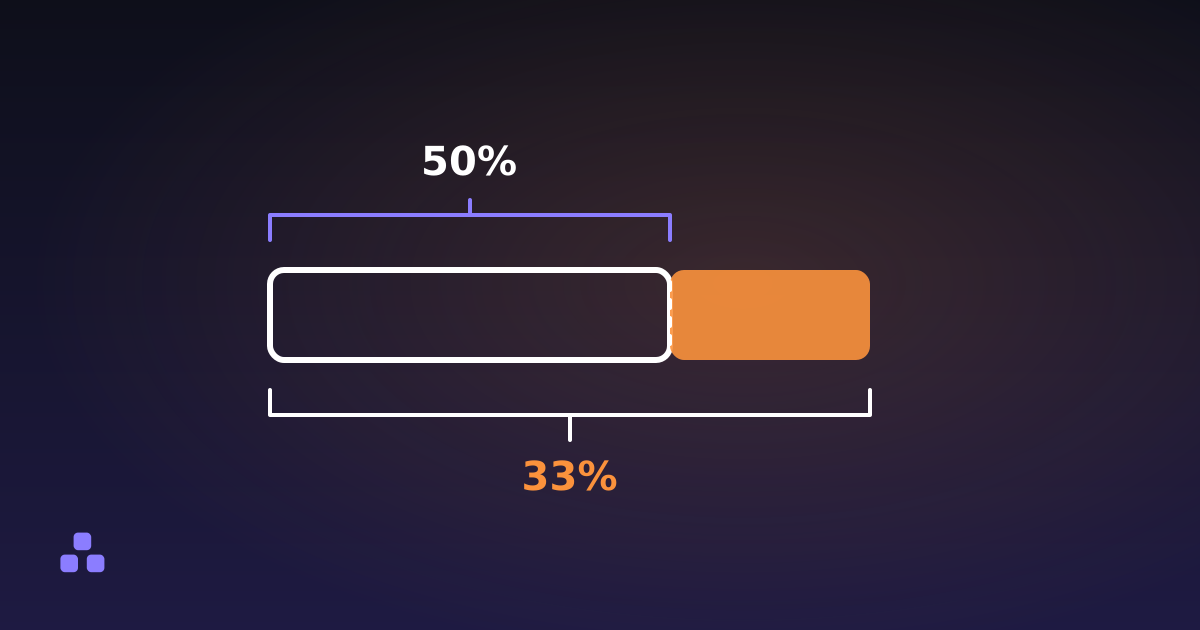 Calculators
Markup Is Not Margin: the Difference, With Numbers
Markup is profit divided by cost; margin is profit divided by price. Same profit, different base, different percentage, and a pricing mistake if you mix them up.
Read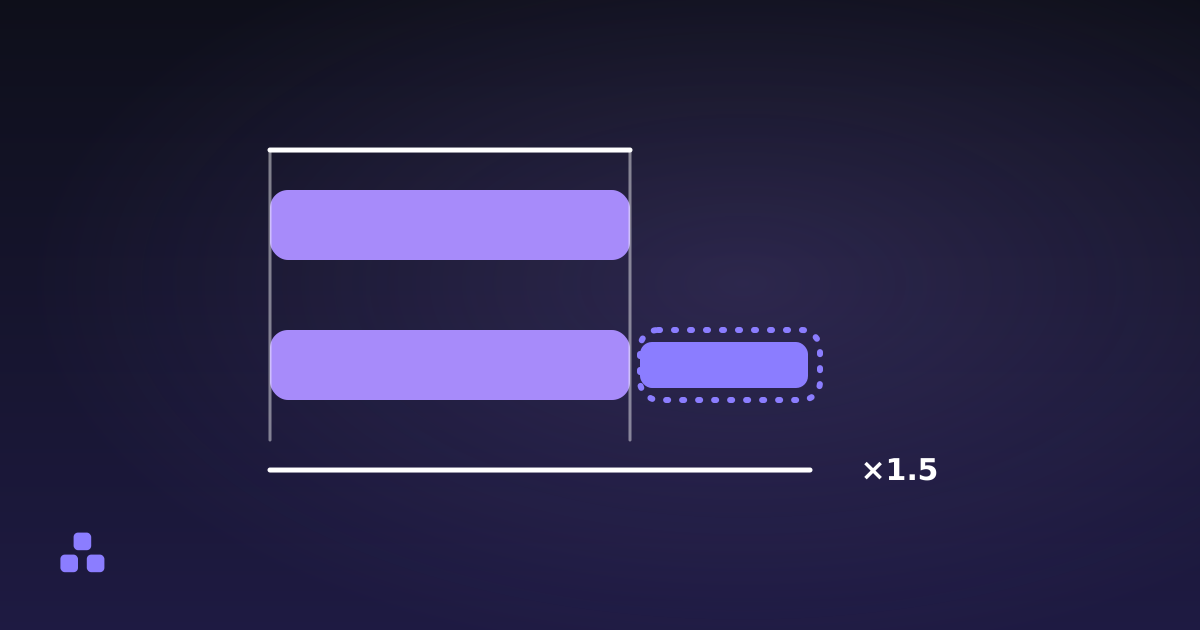 Time
How to Estimate Work in Hours Without Lying
An hour estimate is a guess about focused time, not a clock. Why it runs short, why a buffer on every task backfires, and how one recorded week gives you your own multiplier.
ReadSeptember 202675
 Time
How Leap Years Actually Work
Every fourth year, except centuries, unless the century divides by 400. Why the rule exists, what 1582 skipped, and the bugs a 29 February keeps causing.
Read Developer
A Timezone Is Not an Offset
An offset is one number for one instant. A timezone is a set of rules that produces that number. Why the difference decides what you should store.
Read Developer
Why Putting a UUID in a URL Is a Tradeoff
A random identifier hides how many records you have and stops people counting their way through them. It also makes every URL unreadable and unsayable, and it is not access control.
Read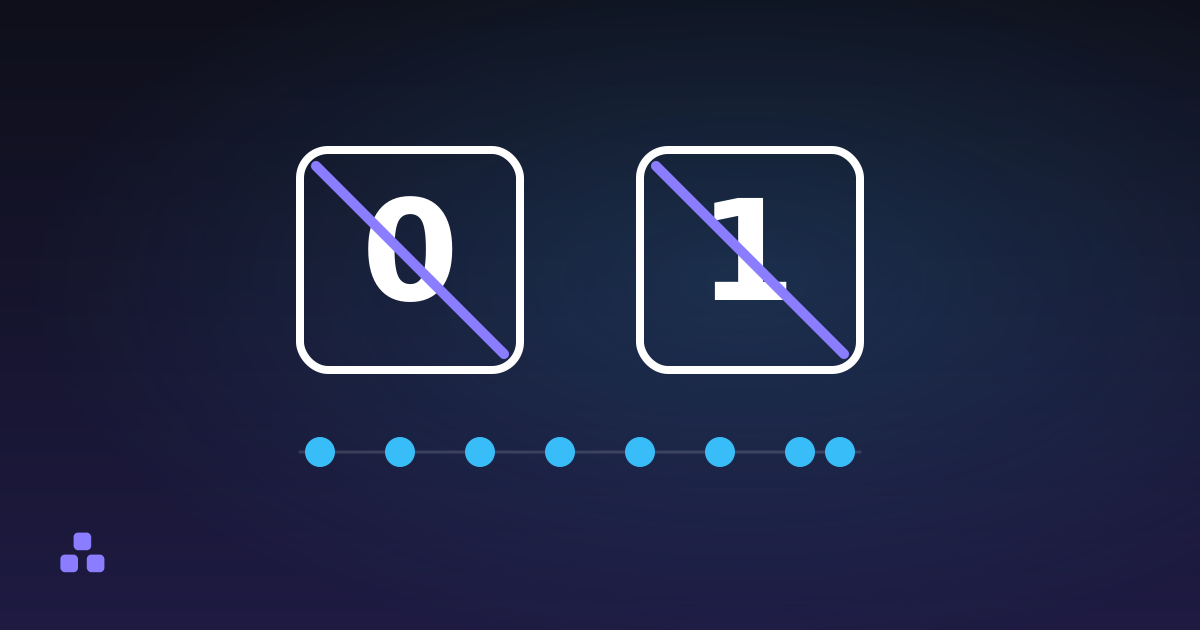 Developer
What Base32 Is and Where You Have Seen It
Five bits per character, a shrunken alphabet, and the reason your two-factor secret looks nothing like a JWT.
Read Developer
What a UTM Parameter Actually Does
A UTM tag rides in the query string and nothing reads it on the way. Only the analytics script on the page it lands on ever looks at it.
Read Developer
Why JSON Has No Comments
Douglas Crockford took them out on purpose, and the workaround split into two dialects with the same idea and different names.
Read Security
MD5 vs SHA-256: Which One and Why
MD5 is broken the moment someone chooses the input on purpose. SHA-256 is not. MD5 still catches an ordinary corrupted download.
Read Security
How Password Managers Generate Passwords
A random byte from the same secure source your browser uses for encryption keys, filtered until every character is equally likely.
Read Text
How Long Does It Take to Read This
A reading-time badge is a word count divided by a rate nobody measured for your text. Where the number comes from, and how far it can be wrong.
Read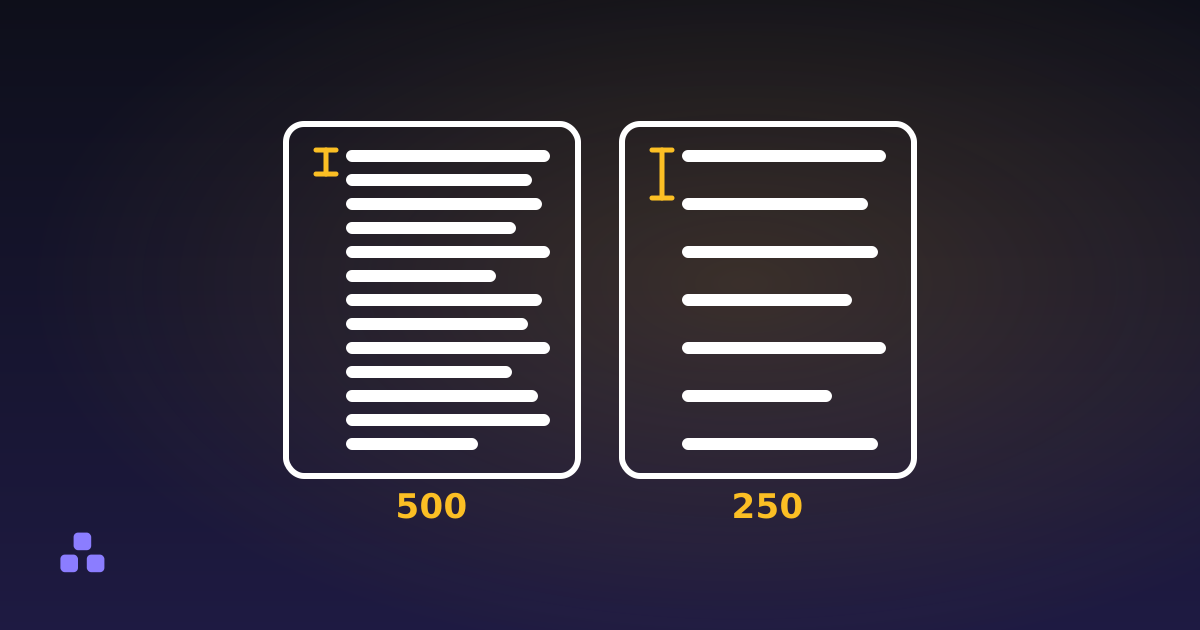 Text
How Many Words Fit on a Page: The Real Numbers
About 500 single-spaced, about 250 double-spaced, plus the arithmetic behind both and why your page count and someone else’s will not match.
Read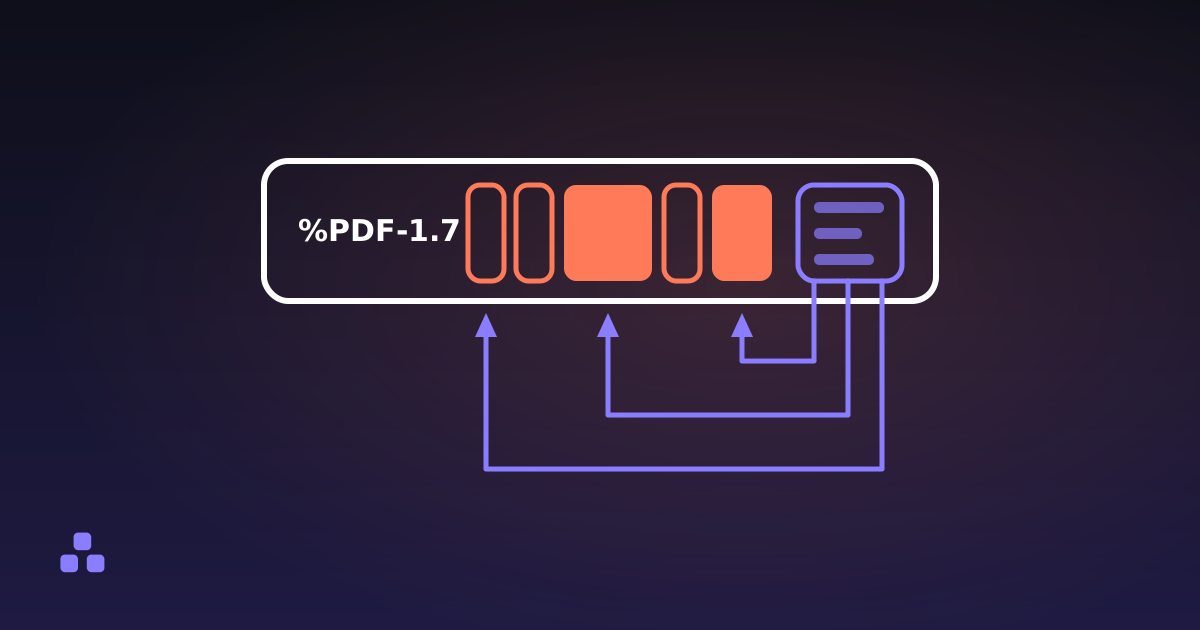 PDF
What Is Actually Inside a PDF File
A PDF is a bag of numbered objects with an index at the end. Once you know what is in the bag, most of the format’s odd behaviour stops being odd.
Read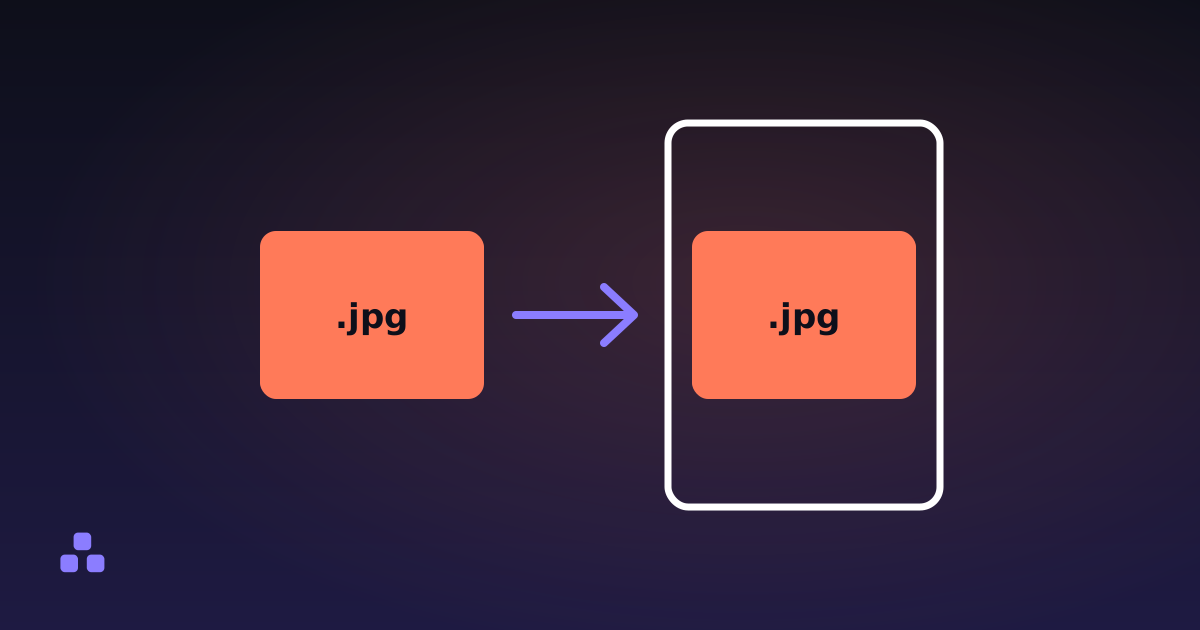 PDF
How to Convert Images to PDF Without Losing Quality
Most converters decode your JPEG and compress it all over again. A PDF can carry the compressed picture untouched, so that second pass never happens.
Read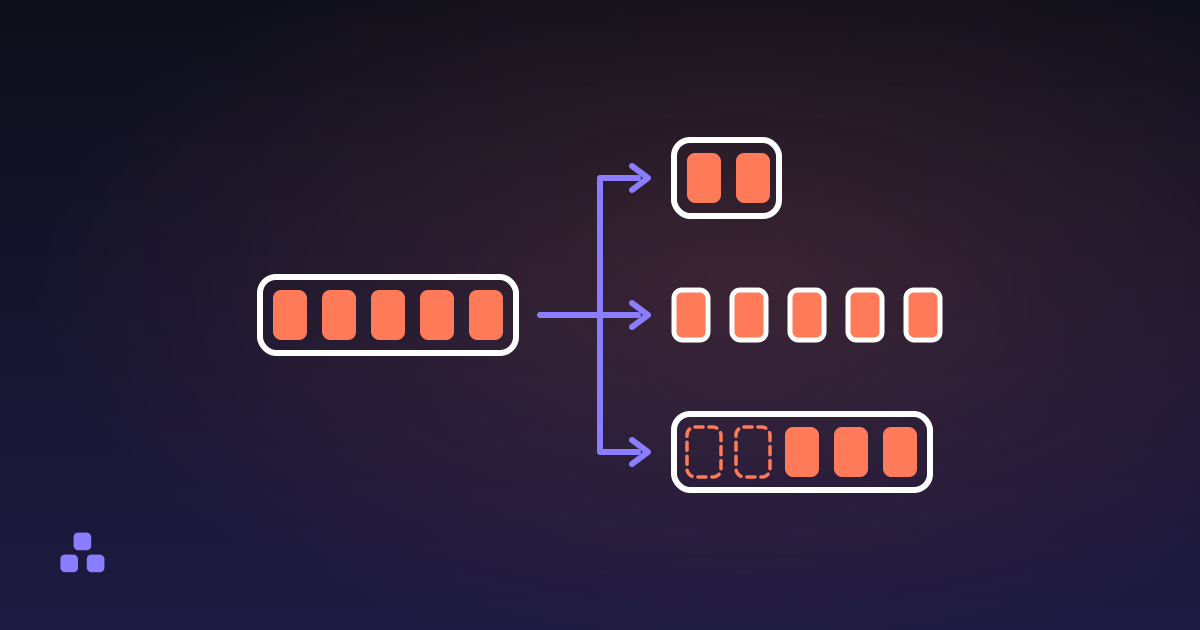 PDF
How to Split a PDF Into Separate Files
Splitting is three different operations, and picking the wrong one is why the file you get back is not the file you wanted.
Read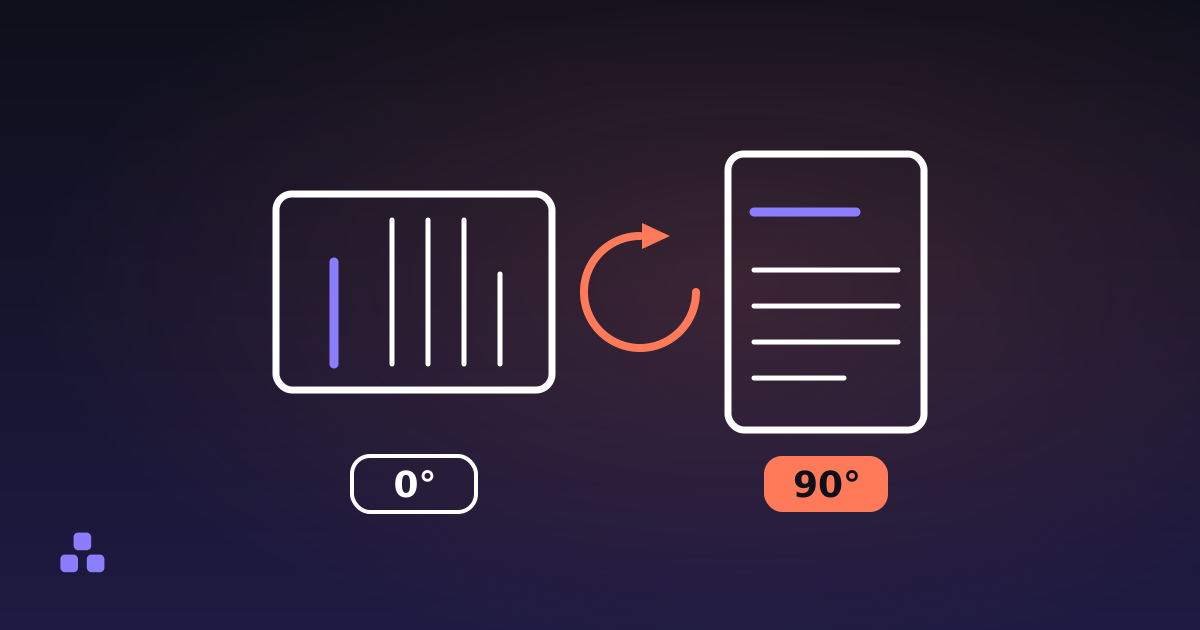 PDF
How to Rotate a PDF So It Stays Rotated
Rotation in a PDF is one number on each page. Change the number, save the file, and the page stays turned for everyone who opens it.
Read PDF
How to Reorder the Pages in a PDF Without Acrobat
The page order in a PDF is a list the document keeps, not a property of the pages, which is why reordering is free and lossless.
Read PDF
How to Merge PDF Files Without Uploading Them
Merging is a copy-and-renumber job: nothing is decoded, nothing is re-encoded, and the only question left is where your file goes.
Read PDF
How to Delete Pages From a PDF, and Really Delete Them
Taking a page out of the page list is not the same as taking it out of the file, and your viewer shows you the same thing either way.
Read PDF
How to Convert Word to PDF, and What Changes
Every Word-to-PDF conversion is a trade, and the fonts decide what you are trading away.
Read Developer
YAML vs JSON: Which to Use, and Where Each Bites
JSON for what machines exchange, YAML for what people edit. The interesting part is the indentation, the type coercion and the country code that turns into false.
Read Text
What Is Lorem Ipsum, and Why Designers Still Use It
Scrambled Cicero that has outlived the printing presses it started on, and the jobs it is quietly bad at.
Read Time
Why a Visible Countdown Helps You Focus
A timer you can see is a decision you already made. What that actually buys you, how long to set it, and the three things it will not fix.
Read Developer
Should You Use Base64 Images? When Inlining Helps
Inlining saves one request and costs you 33% more bytes, separate caching and lazy loading. The line sits at about a kilobyte.
Read Text
What a URL Slug Is, and What Makes a Good One
The readable tail of a URL: what belongs in it, why the obvious way of making one breaks, and what changing it later costs you.
Read Developer
What Is Inside a JWT (and What It Does Not Prove)
Three base64url chunks, a handful of claims, and one signature that proves far less than most people assume.
Read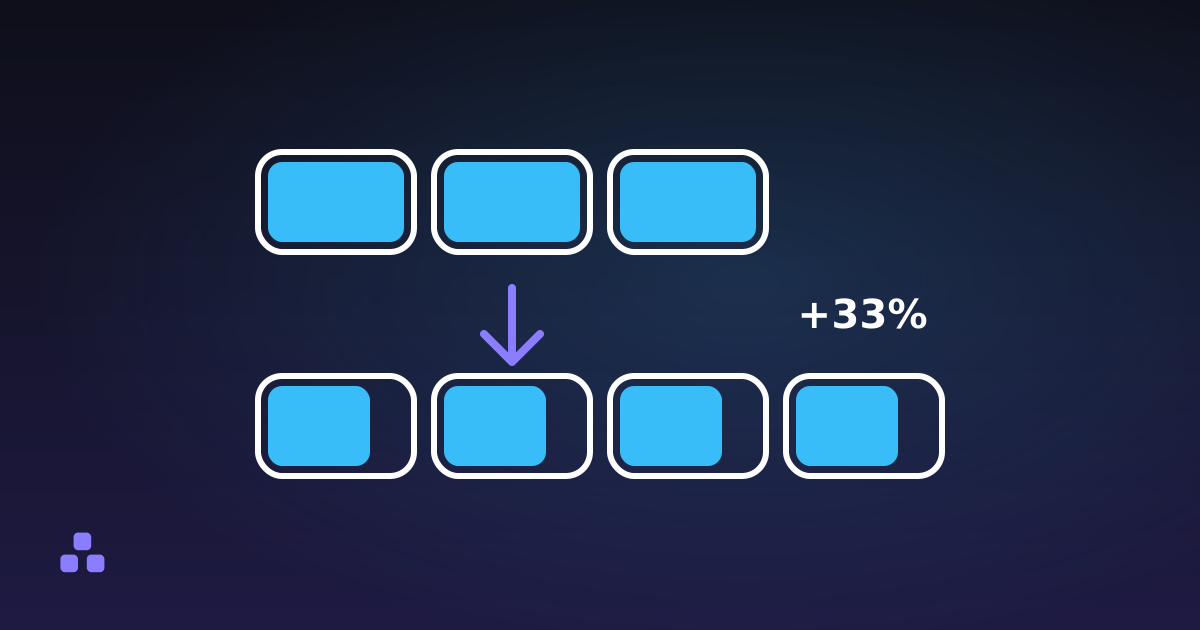 Developer
What Is Base64 and When You Actually Need It
Base64 turns bytes into 64 safe text characters, three at a time, and charges you a third of the file size for the privilege.
Read Developer
What a Unix Timestamp Is and How to Read One
One number, counting seconds since 1970. How to read it at a glance, and why yours keeps landing in January 1970.
Read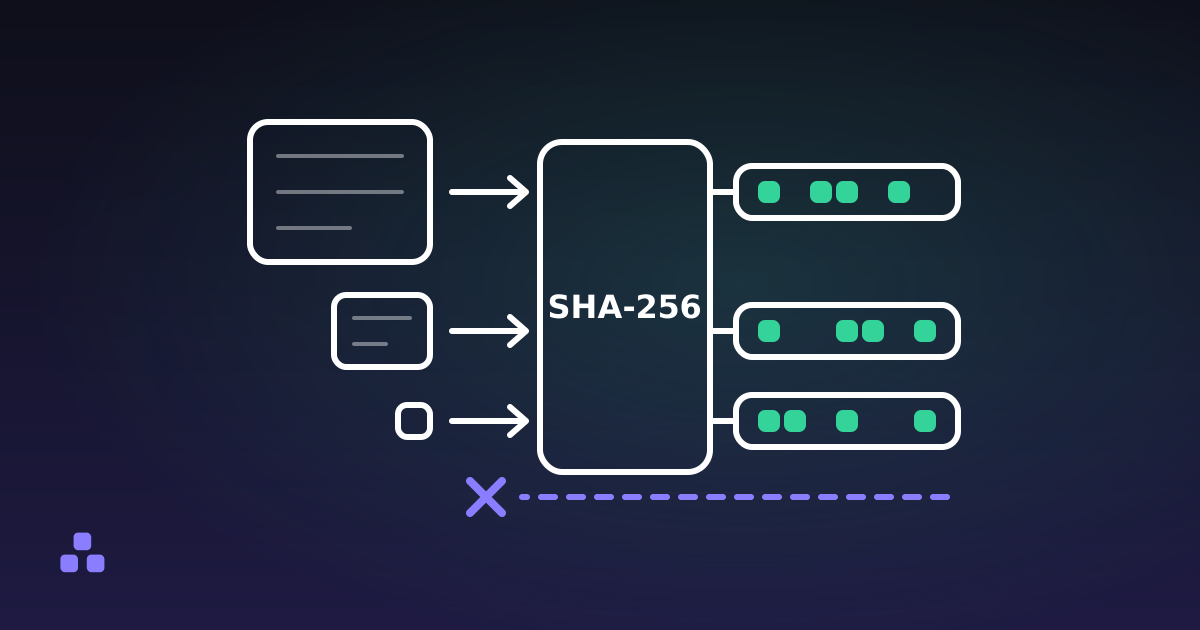 Security
What a Hash Function Is, and What It Is Not
A fixed-length fingerprint for any amount of data: useful for exactly three things, and useless for a fourth that people keep trying.
Read Images
What EXIF Data Is, and What It Reveals
Every photo carries a hidden block of camera settings, timestamps and often the exact spot you were standing.
Read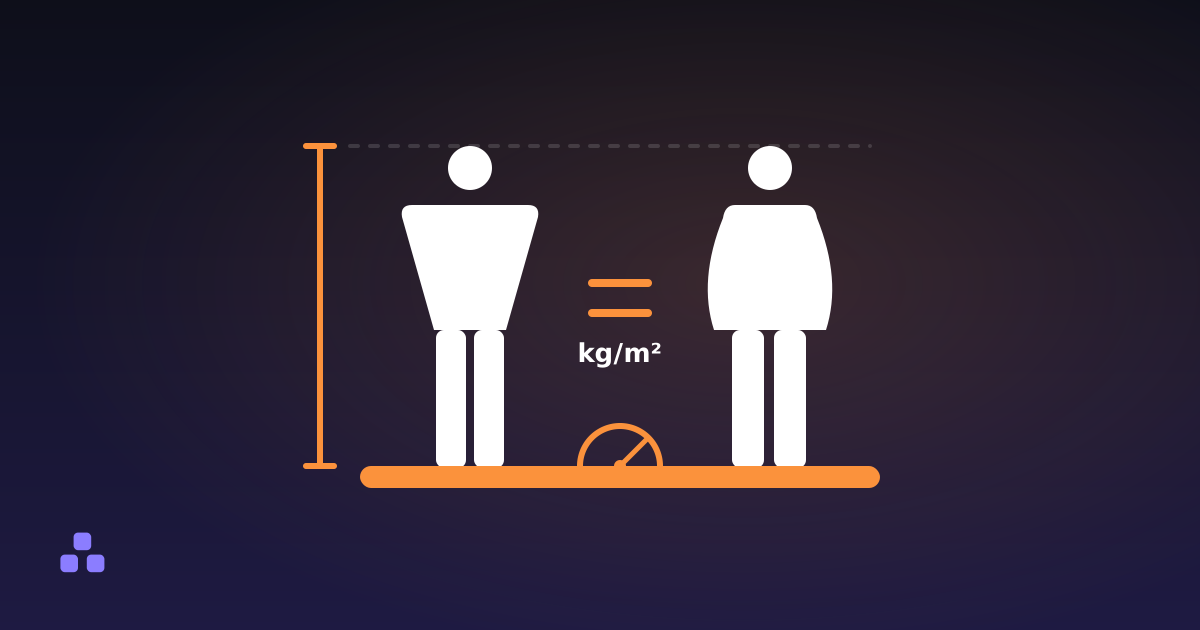 Calculators
What BMI Actually Measures, and What It Misses
One division, two measurements, and a number that gets read as a verdict on a body it never looked at.
Read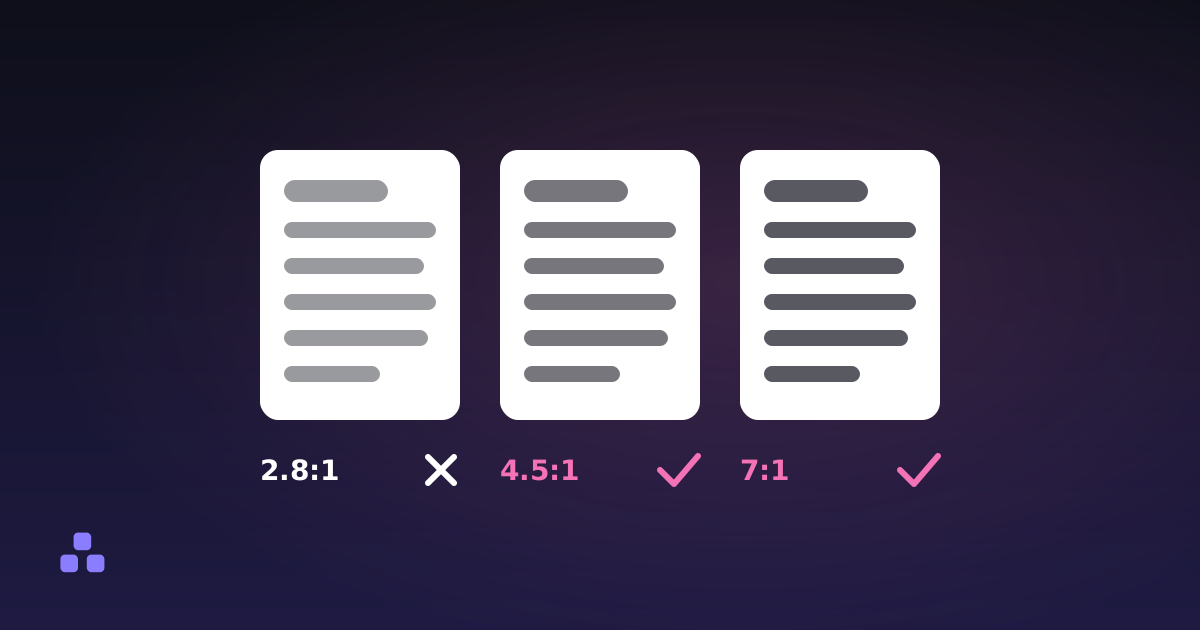 Design
What Contrast Ratio Do You Need for Readable Text?
Four numbers cover every case, and the one most people get wrong is what counts as "large text".
Read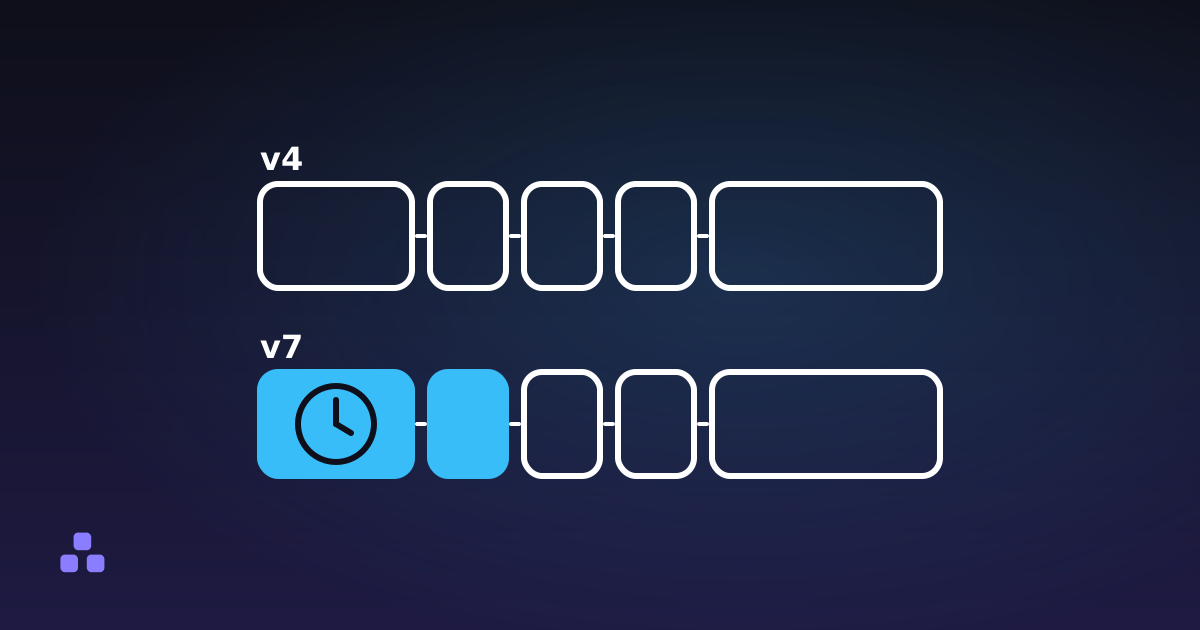 Developer
UUID v4 vs v7: Which One to Use and When
v7 for database keys, v4 when the creation time is nobody else’s business. The bits behind that rule, and the two places v7 does nothing at all.
Read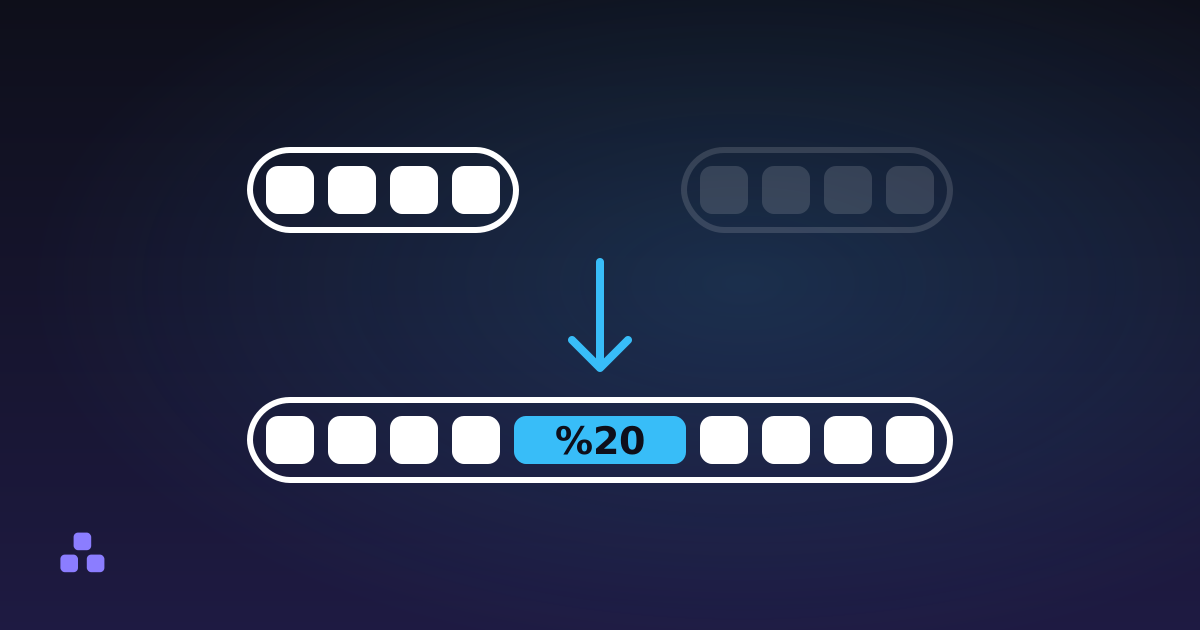 Developer
What URL Encoding Is, and Why Your Link Breaks
Percent-encoding in plain terms: which characters need escaping, which never do, and the three ways it goes wrong.
Read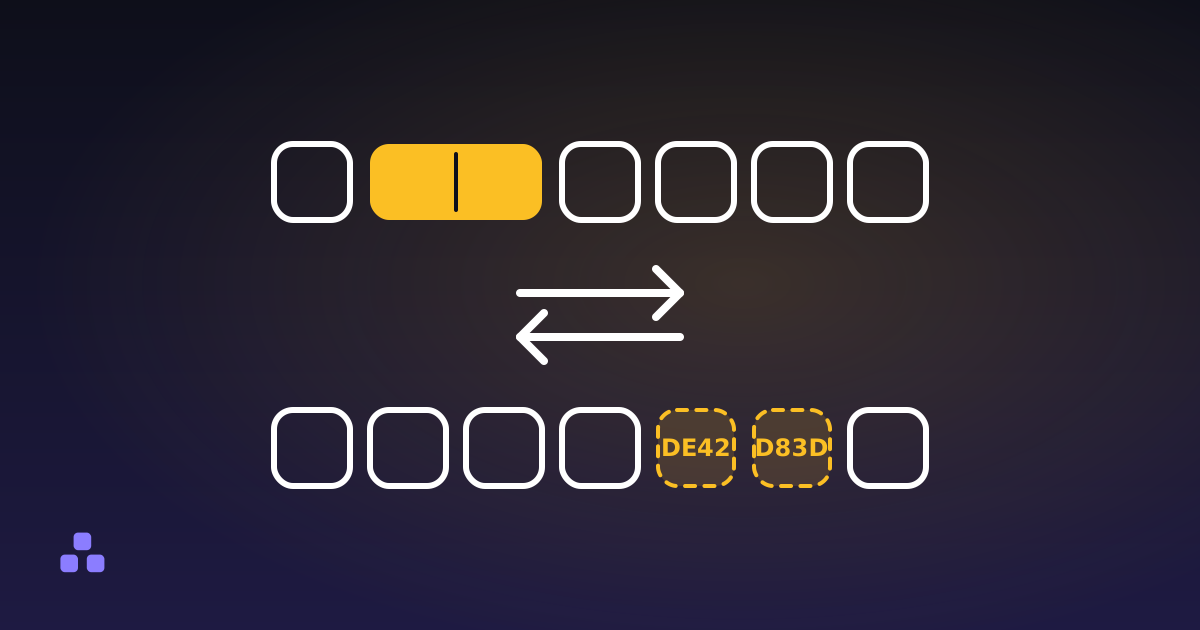 Text
How to Reverse Text: Characters, Words and Lines
Reversing a string looks like one line of code. That line detaches accents, splits emoji and can turn one flag into another country.
Read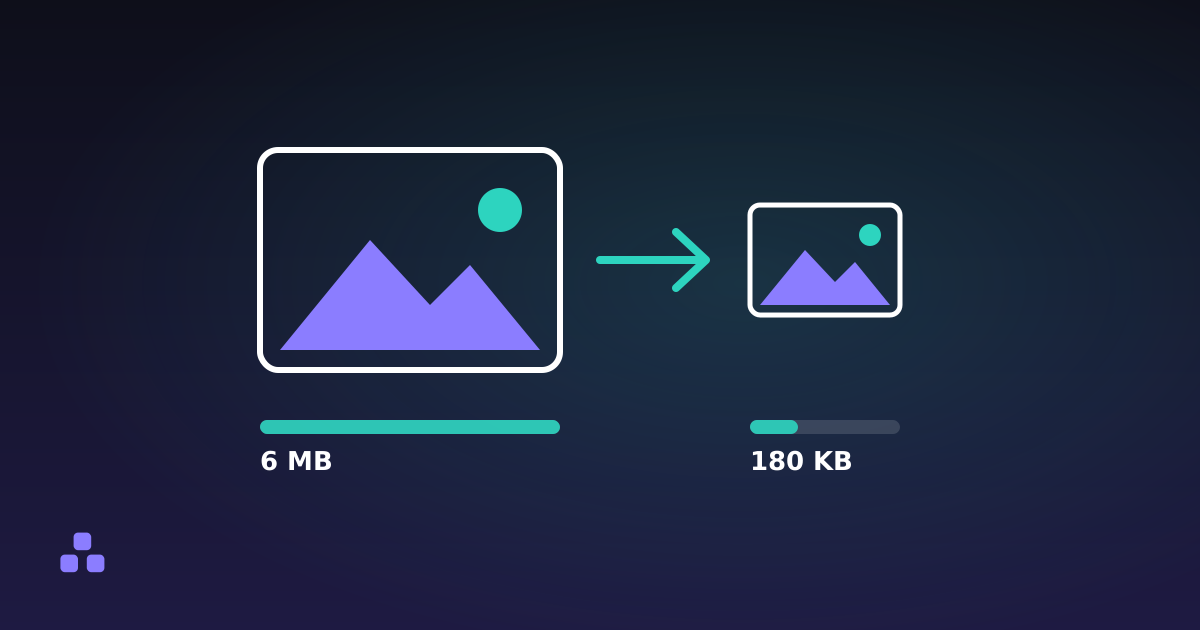 Images
How to Reduce Image File Size (Without Losing Quality)
Most oversized images are oversized for one boring reason, and fixing it takes about thirty seconds.
Read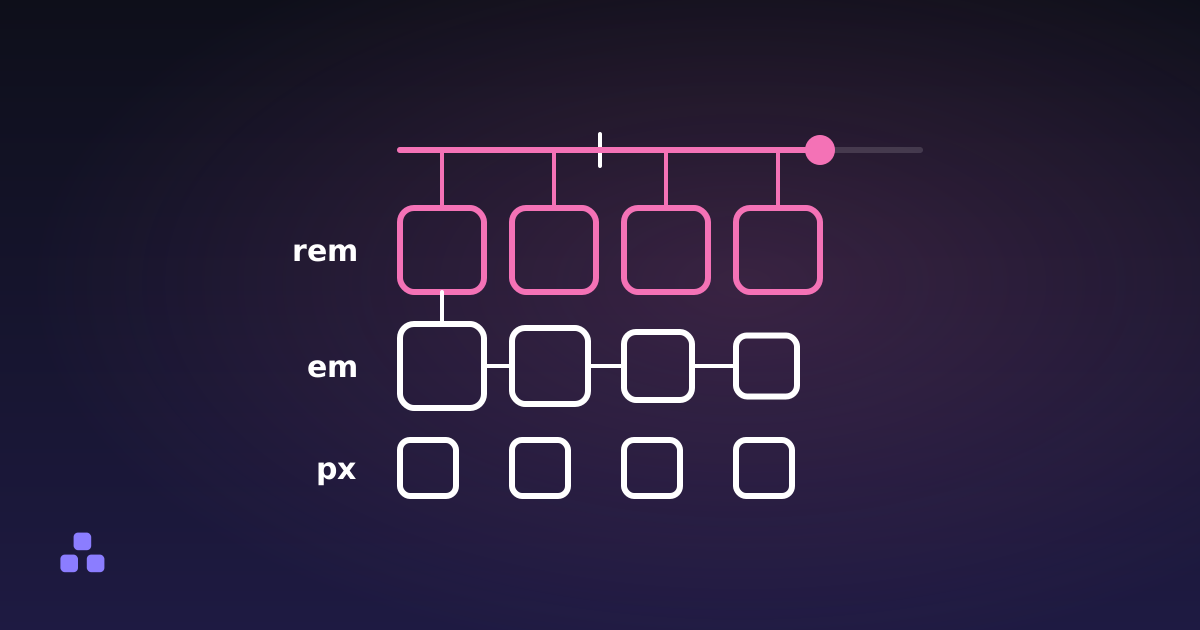 Design
px vs rem vs em: Which CSS Unit to Use When
They all resolve to the same kind of length. The difference is who controls the number they get multiplied by.
Read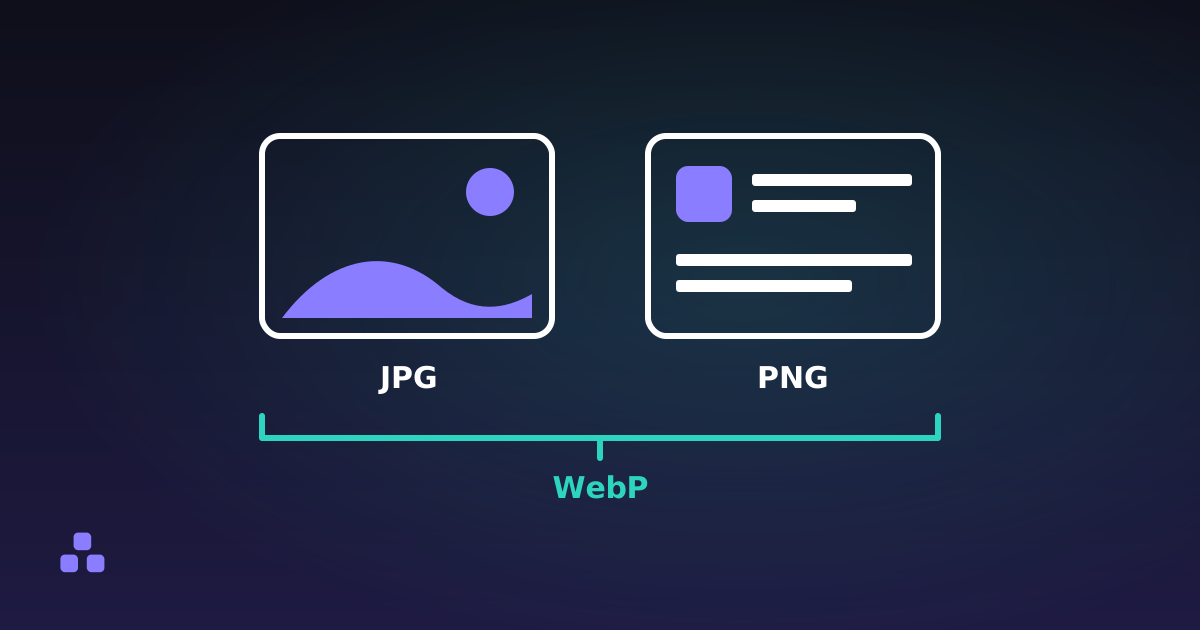 Images
PNG vs JPG vs WebP: Which One Should You Use?
One rule covers ninety per cent of cases, and the exceptions are worth knowing because getting it wrong is expensive.
Read Security
Password vs Passphrase: Which Is Actually Safer?
Four random words beat a short scrambled password. Four words you chose yourself beat almost nothing.
Read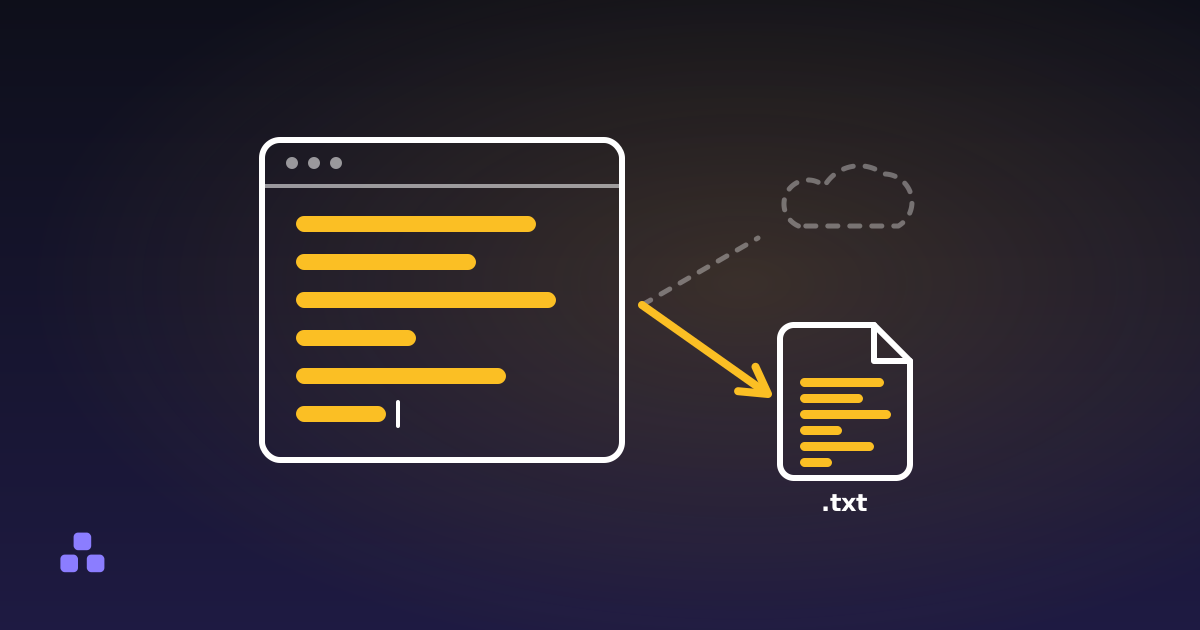 Text
Online Notepad With No Signup: Where Your Note Goes
A notepad with no login has nowhere to put your text except your own machine. That is fine for ten minutes and risky for a week.
Read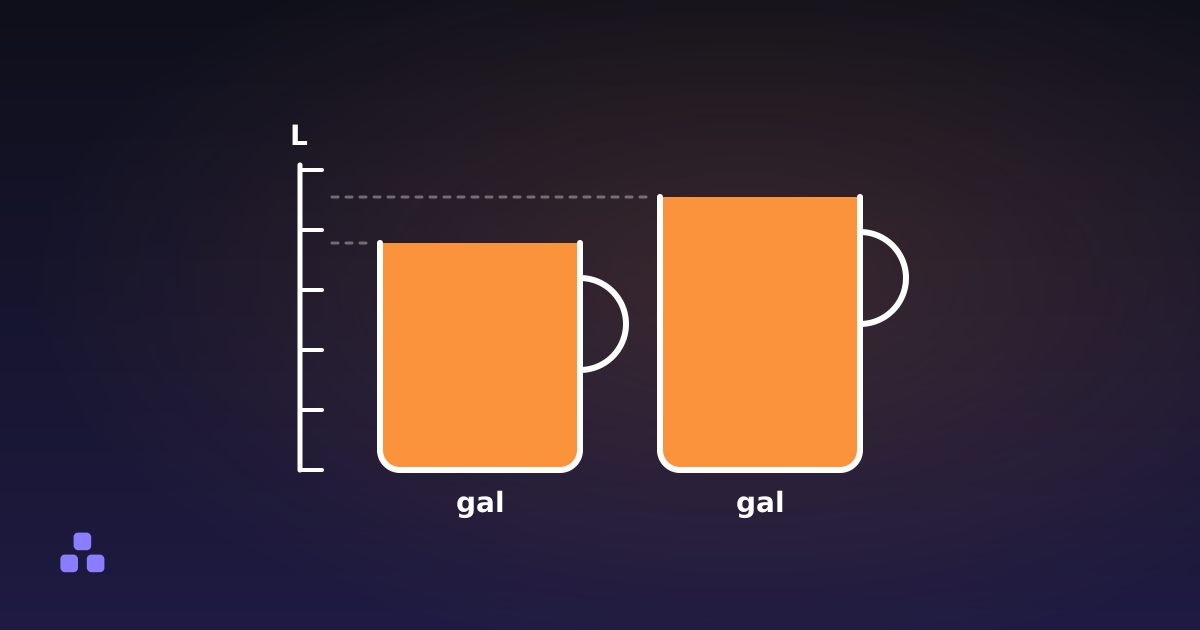 Calculators
Metric to Imperial: The Conversions Worth Knowing
Six exact numbers cover nearly every metric-to-imperial conversion. The trouble is the units that share a name and not a size.
Read Text
Invisible Characters in Text: Find and Remove Them
A space that is not a space, a character with no width, a mark at the start of a file. Where they come from and how to get them out.
Read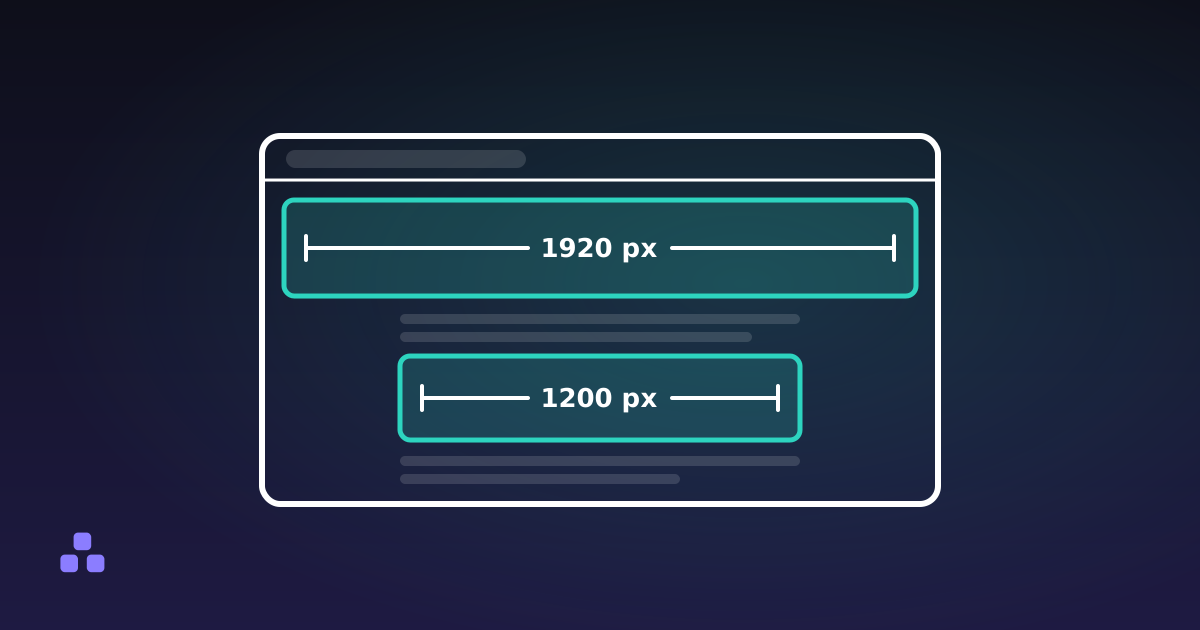 Images
What Size Should Images Be on a Website?
Concrete pixel widths and file sizes for every common slot, and why the retina answer is not "double everything".
Read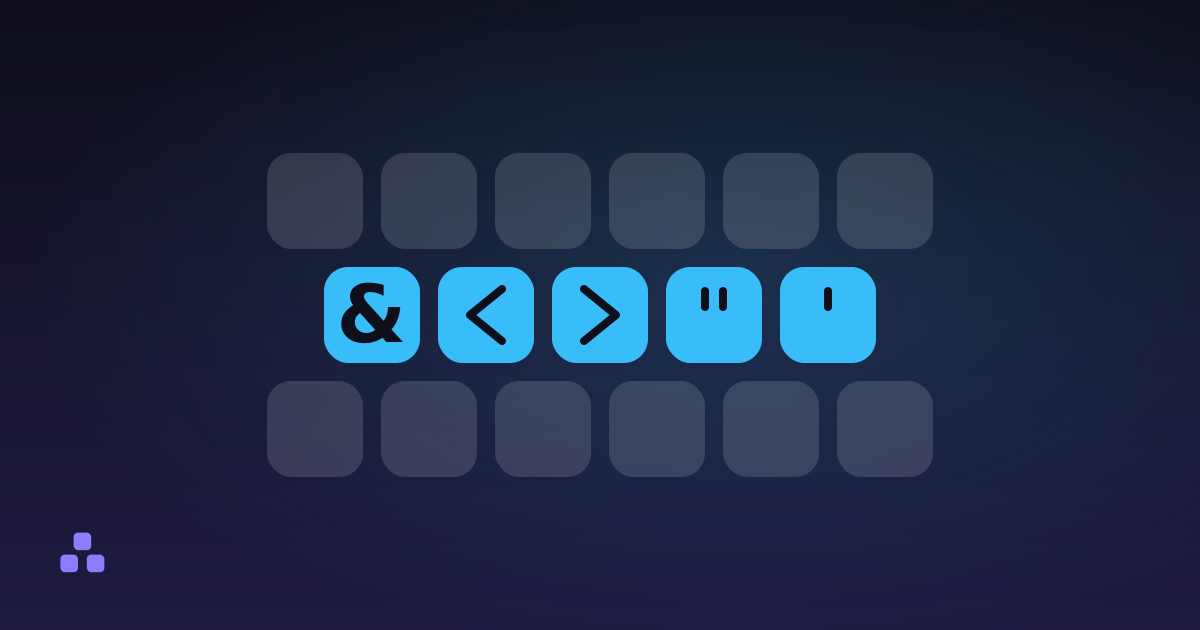 Developer
HTML Entities: What They Are and When You Need Them
An entity is a character written in plain ASCII. You need five of them, and the rest you can type straight into the file.
Read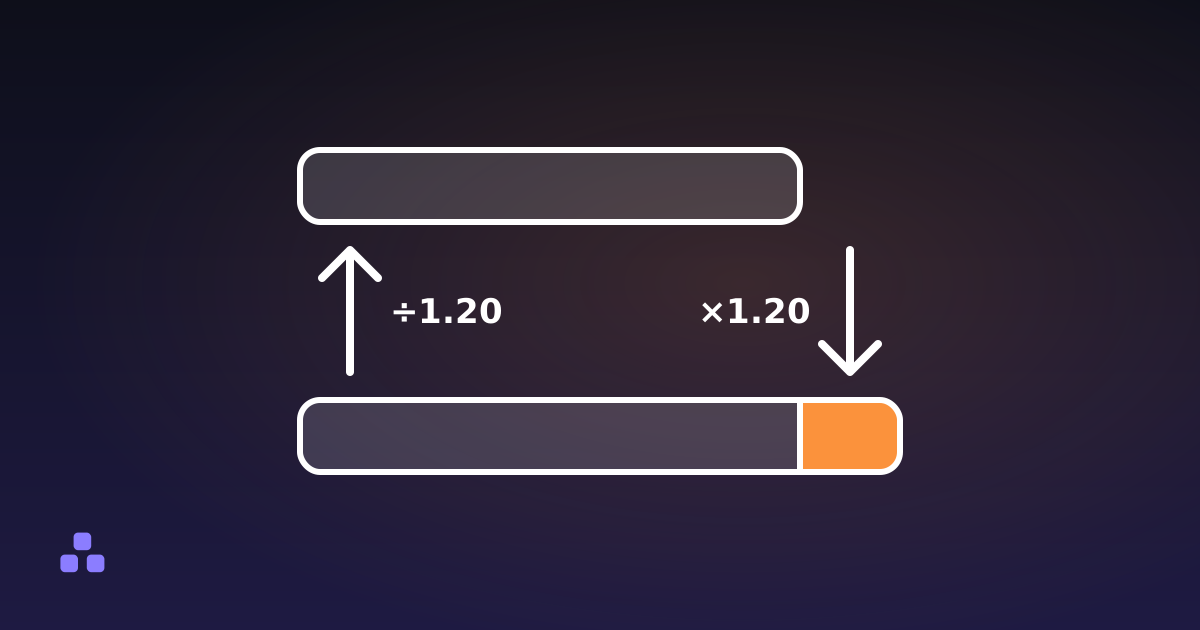 Calculators
How to Calculate VAT: Adding It and Stripping It Out
Adding VAT is one multiplication. Removing it is where people reach for the wrong arithmetic and end up with an invoice that is wrong on every line.
Read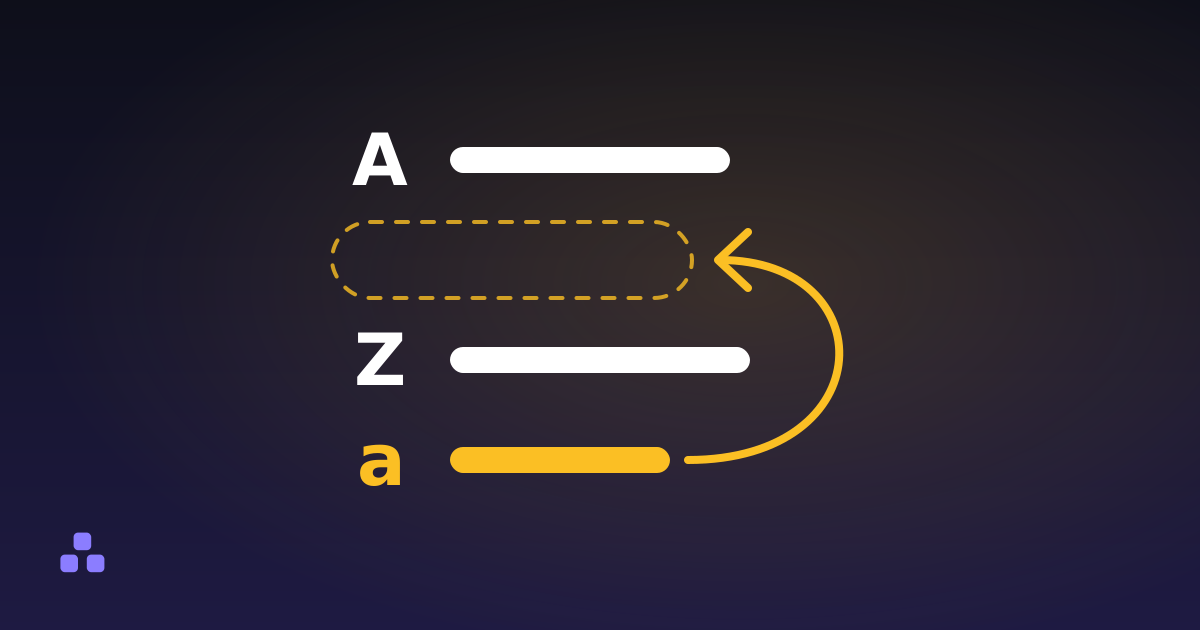 Text
How to Sort a List Alphabetically and Numerically
Sorting a list is ten seconds of work and a pile of surprises: capitals on top, file10 above file2, accents at the bottom.
Read Security
How to Send Someone a Password Securely
Never send the secret and the key to it down the same wire. What that looks like in practice, and what it still does not protect you from.
Read Text
How to Remove Duplicate Lines From a List
Three ways to dedupe a list, and what to do about the two lines that look identical and refuse to merge.
Read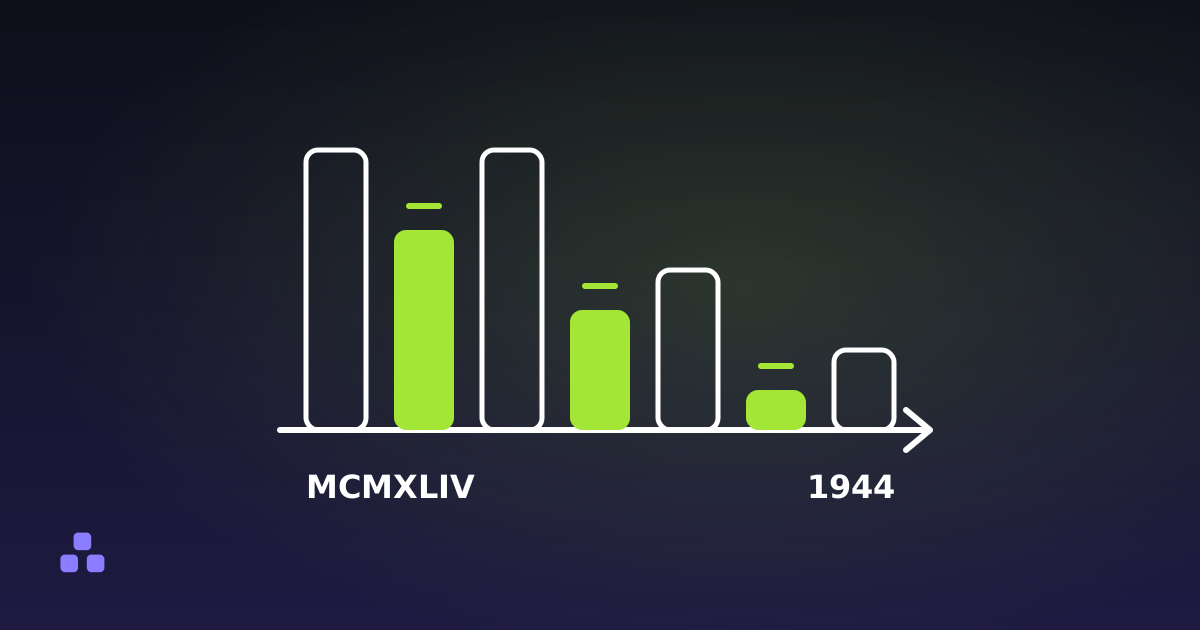 Everyday
How to Read Roman Numerals Without Guessing
Add the symbols left to right, subtract when a small one comes first, and know which six subtractions are actually legal.
Read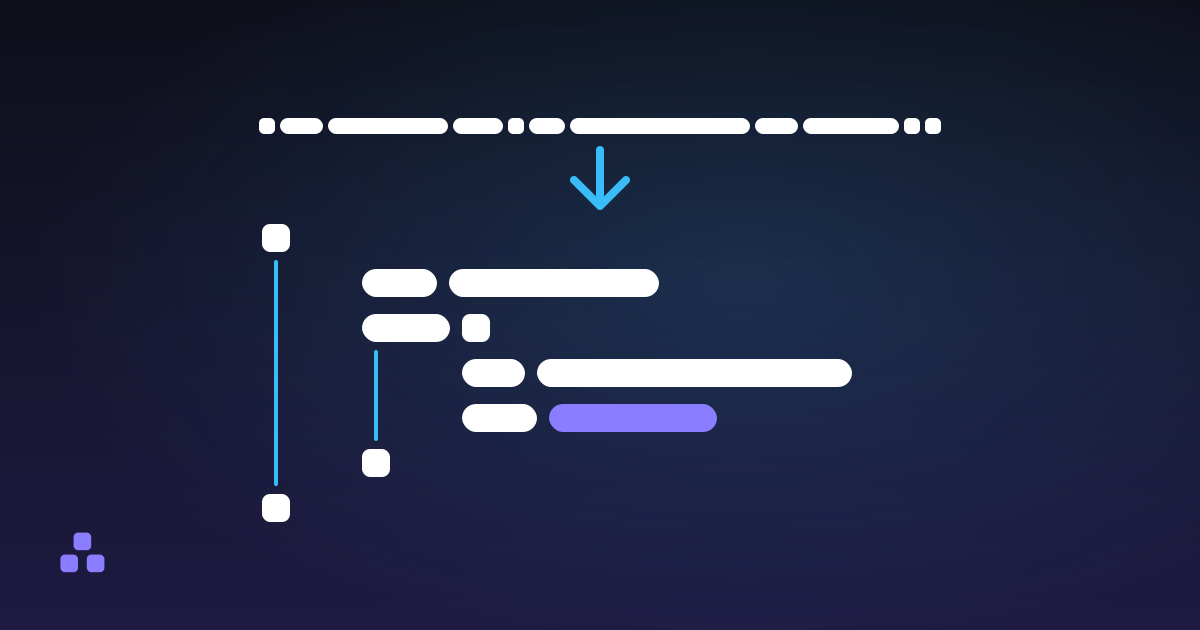 Developer
How to Format Minified JSON So You Can Read It
Re-indenting one enormous line is the easy part. The round trip through the parser is where things change without telling you.
Read Everyday
How to Pick a Random Winner From a List
Paste the names, draw once, and stop there. The hard part is the list and the rules around it.
Read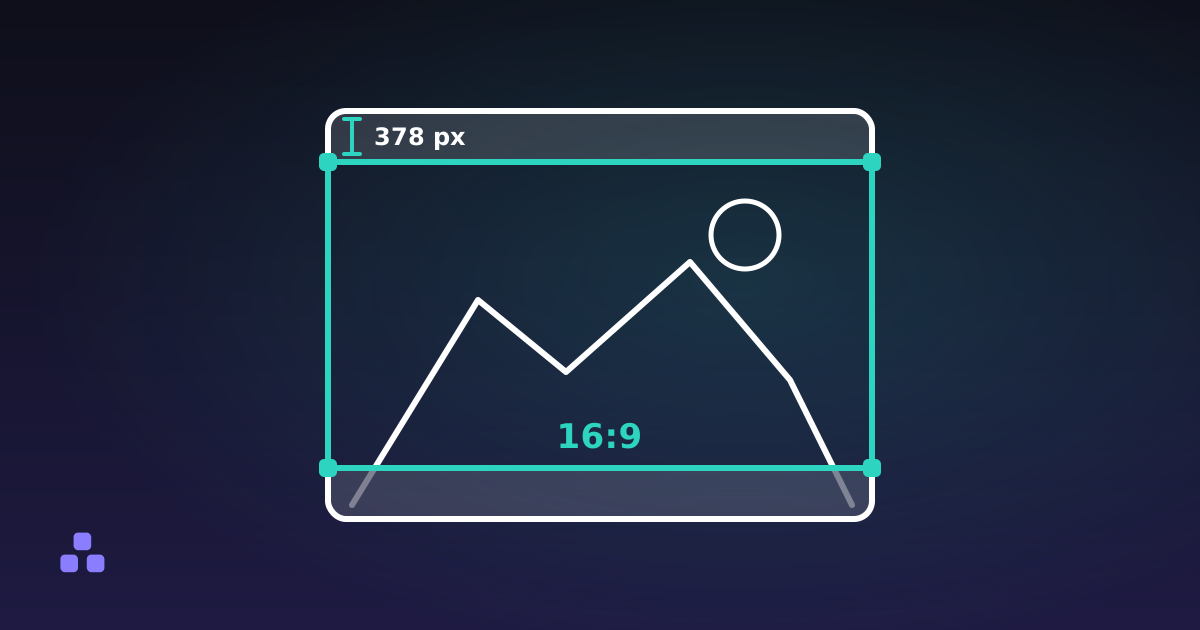 Images
How to Crop an Image to an Exact Aspect Ratio
The rectangle you need is one division away. Here is the formula, the offsets for a centred crop, and how much of the picture each common ratio costs you.
Read Time
How Many Days Between Two Dates: Two Right Answers
The arithmetic is easy. Deciding whether the end date counts is the part that trips everyone up.
Read Developer
How to Convert JSON to CSV and What It Loses
Every key becomes a column and every object becomes a row. The decisions start the moment something in your JSON is not flat.
Read Developer
How to Convert CSV to JSON (and What Breaks)
Rows become objects and headers become keys. The interesting part is the leading zeros, the stray quote and the nesting you cannot get back.
Read Text
How to Compare Two Texts for Differences
Paste both versions, let the tool line them up, and learn to read the places where the alignment is guessing.
Read Everyday
How to Calculate Your Exact Age in Years, Months, Days
Three numbers in a fixed order, one step everybody gets wrong, and the reason two calculators can disagree about the same birthday.
Read Calculators
How to Calculate Percentages Without Getting Lost
Four formulas cover almost every percentage question you will ever have. The mistakes come from picking the wrong base, not from the arithmetic.
Read Calculators
How to Calculate a Discount in Your Head
Multiply by what is left, not by what comes off. The mental version, plus the two cases where the obvious arithmetic gives the wrong answer.
Read Design
How to Choose a Colour Palette That Actually Works
A colour wheel hands you five hexes in ten seconds. The other 90% of a palette is neutrals, states and contrast.
Read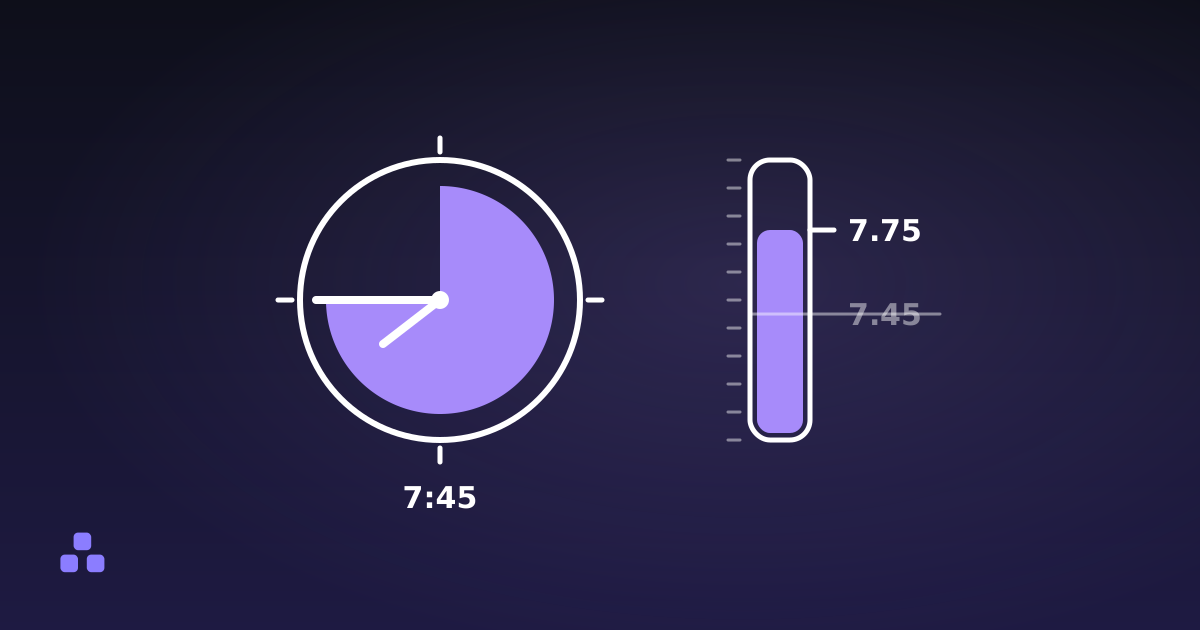 Time
How to Add Up Hours Worked Without Errors
Convert every shift to minutes, subtract the breaks, divide by 60 at the very end. Plus the decimal trap that shortens your week without your noticing.
Read Calculators
How Much Should You Tip? Country by Country
The percentage changes at every border, and in half the world the question is whether a service charge is already on the bill.
Read Security
How Long Would It Take to Crack Your Password?
The honest answer is "it depends who is attacking", and the spread between the best and worst case is about sixteen orders of magnitude.
Read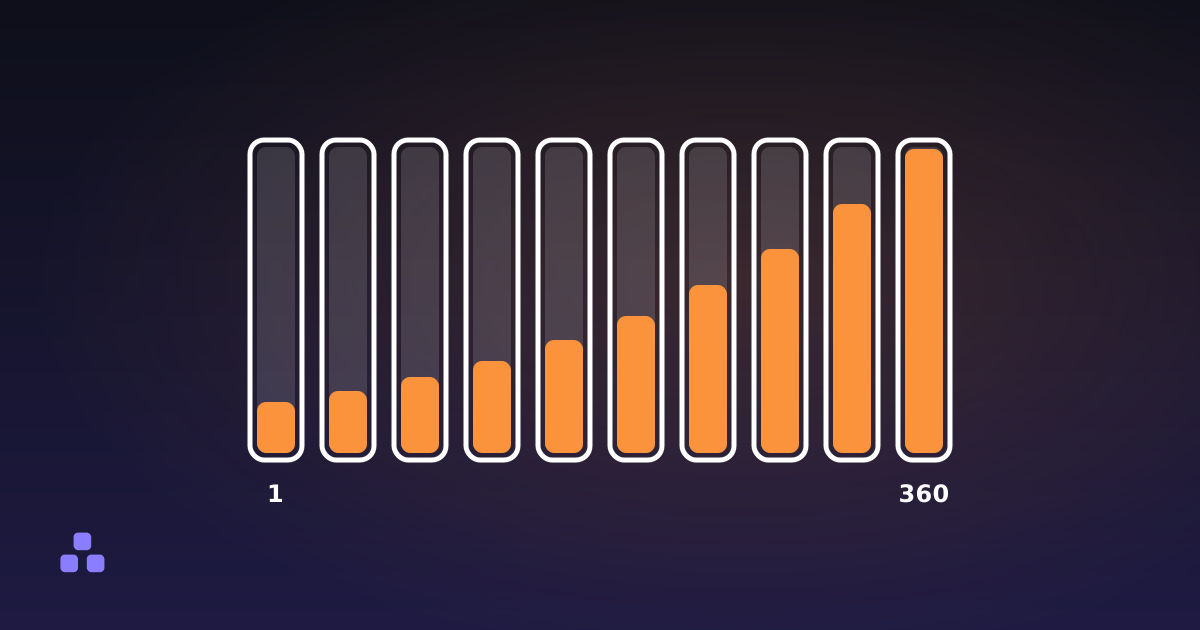 Calculators
How Loan Payments Are Calculated (and Where They Go)
One formula sets the payment on every fixed-rate loan. The interesting part is what happens to that payment once it leaves your account.
Read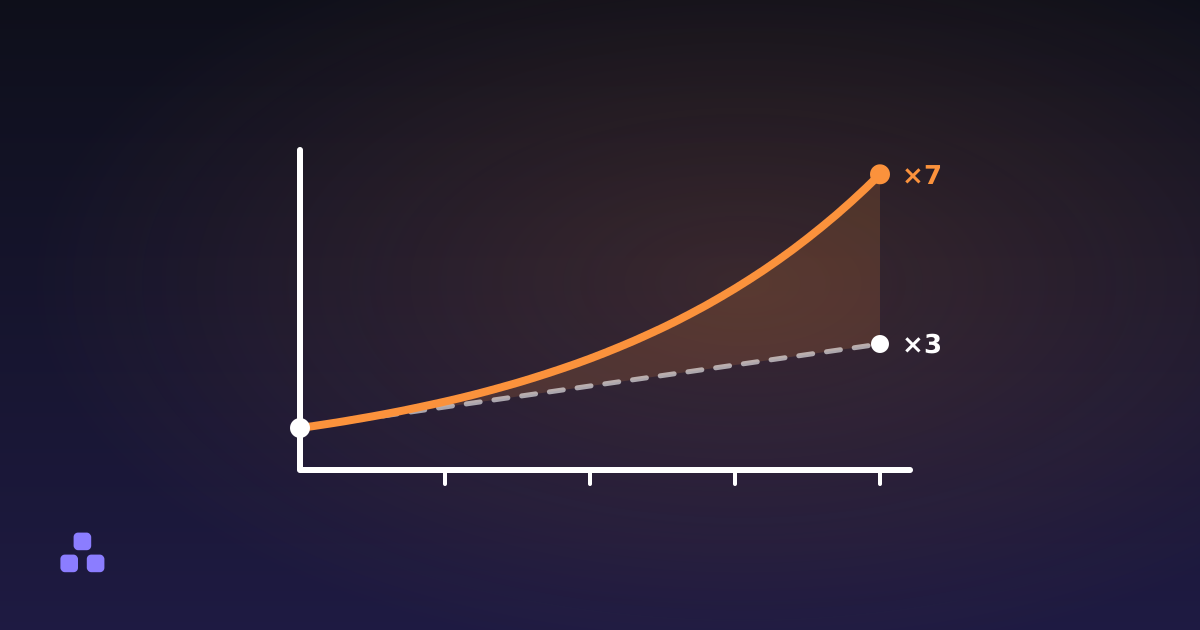 Calculators
How Compound Interest Actually Works
Interest earning interest, shown with real numbers, plus the rate your bank advertises and the one you actually get.
Read Security
How Authenticator App Codes Work (6-Digit TOTP)
Your authenticator app never receives anything. It does the same arithmetic the server does, and the numbers happen to match.
Read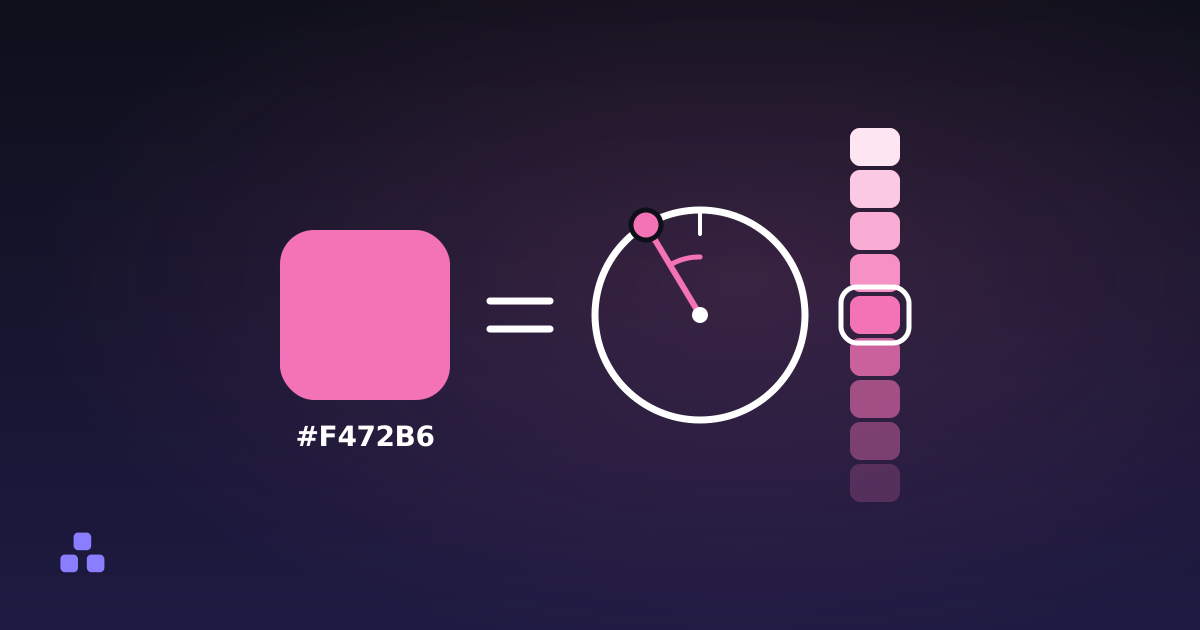 Design
HEX, RGB and HSL: Which Colour Format to Use
They describe the same colours. The difference is that one of them you can edit by hand and the other two you cannot.
Read Text
Find and Replace Text Safely (and What Goes Wrong)
Read the matches before you commit, and the replace-all stops being the thing that costs you an afternoon.
Read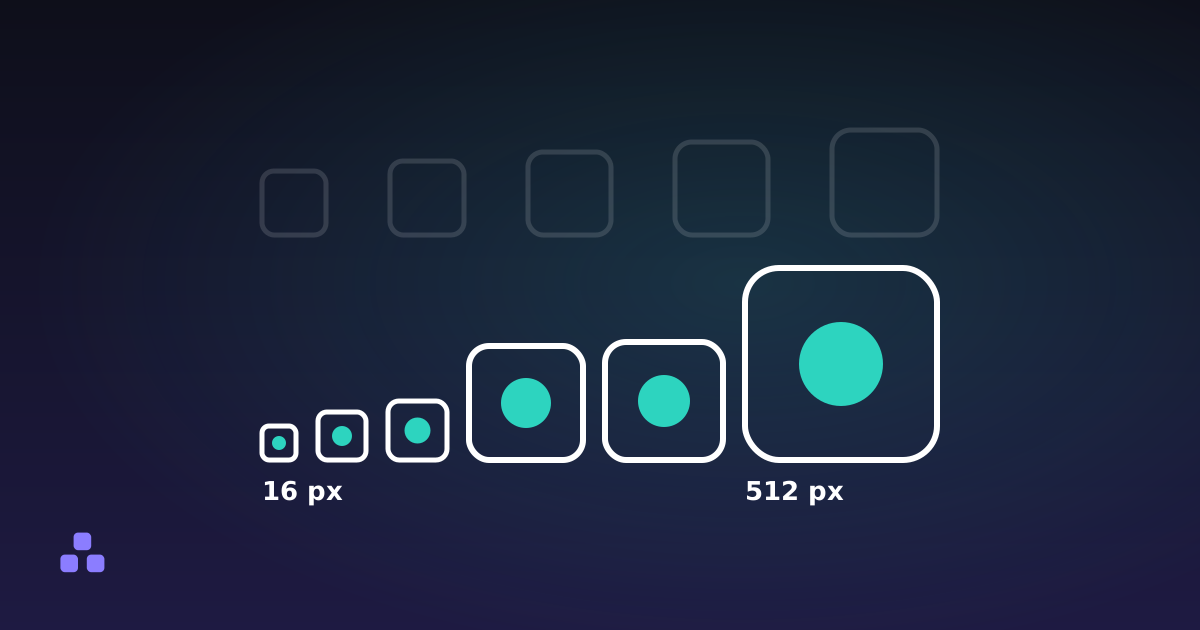 Images
What Favicon Sizes Do You Actually Need?
Five sizes cover every browser and phone in real use. The other fifteen files the old cheat sheets told you to generate are for platforms nobody runs.
Read Time
Does the Pomodoro Technique Actually Work?
The bounded session and the forced stop hold up. The number 25 does not, and the two rules that make it a method are the ones everyone drops.
Read Design
Why Your CSS Gradient Goes Grey in the Middle
Blue to yellow passes through dead grey because of arithmetic, not because your browser is broken. Here is the arithmetic, and the two fixes.
Read Design
How CSS box-shadow Works (and Why Yours Looks Fake)
Four lengths and a colour, and almost everyone misreads the third one. What blur, spread and inset really do.
Read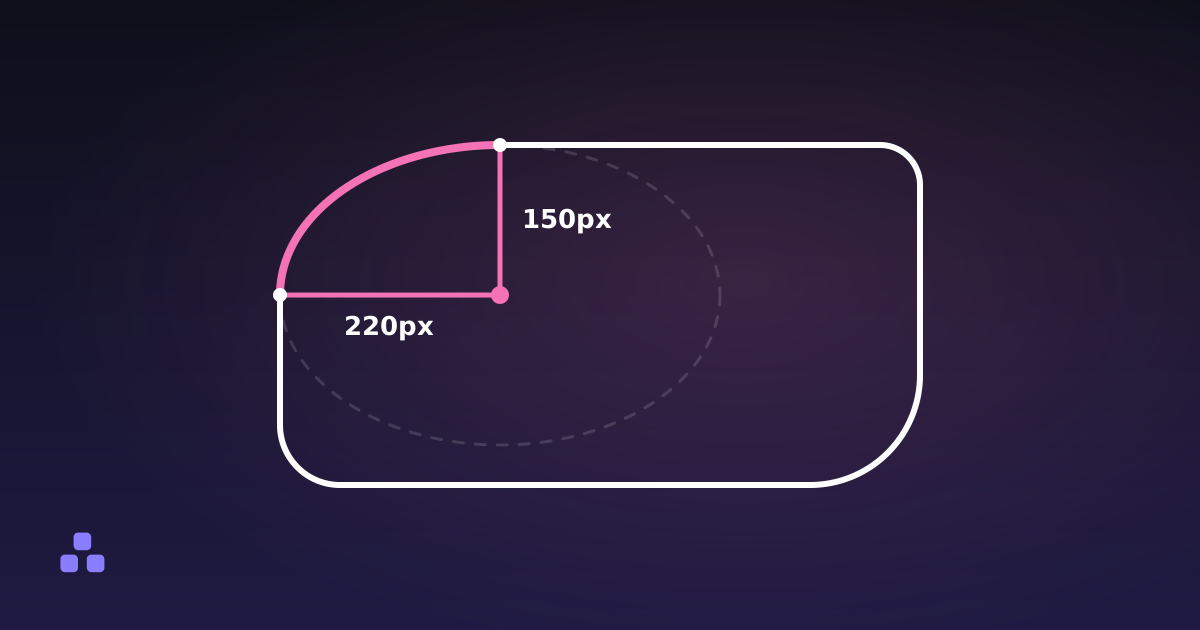 Design
How CSS border-radius Works, Corner by Corner
Every corner is a quarter ellipse with two radii. Once you know that, the shorthand and its odd clamping rule stop being mysterious.
Read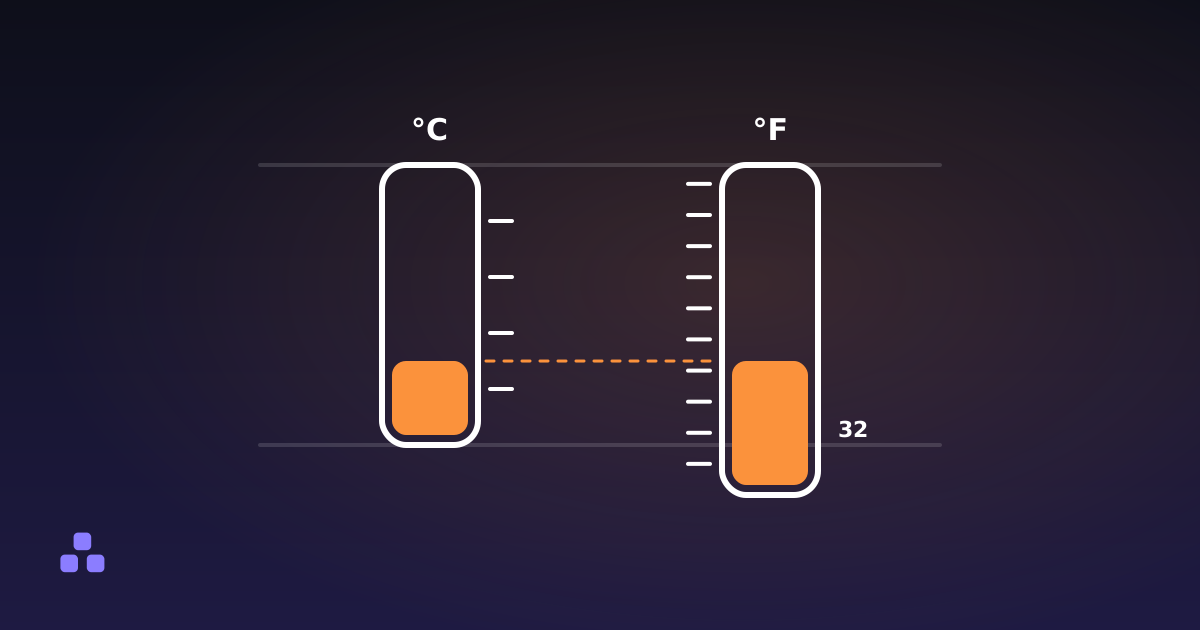 Calculators
Celsius to Fahrenheit: The Formula and the Shortcut
The exact formula, a shortcut that gets it right in your head every time, the rough one that drifts, and the two conversions people still get wrong.
Read Text
camelCase vs snake_case vs kebab-case: Which to Use
Three naming conventions and one rule for choosing between them: the context decides.
Read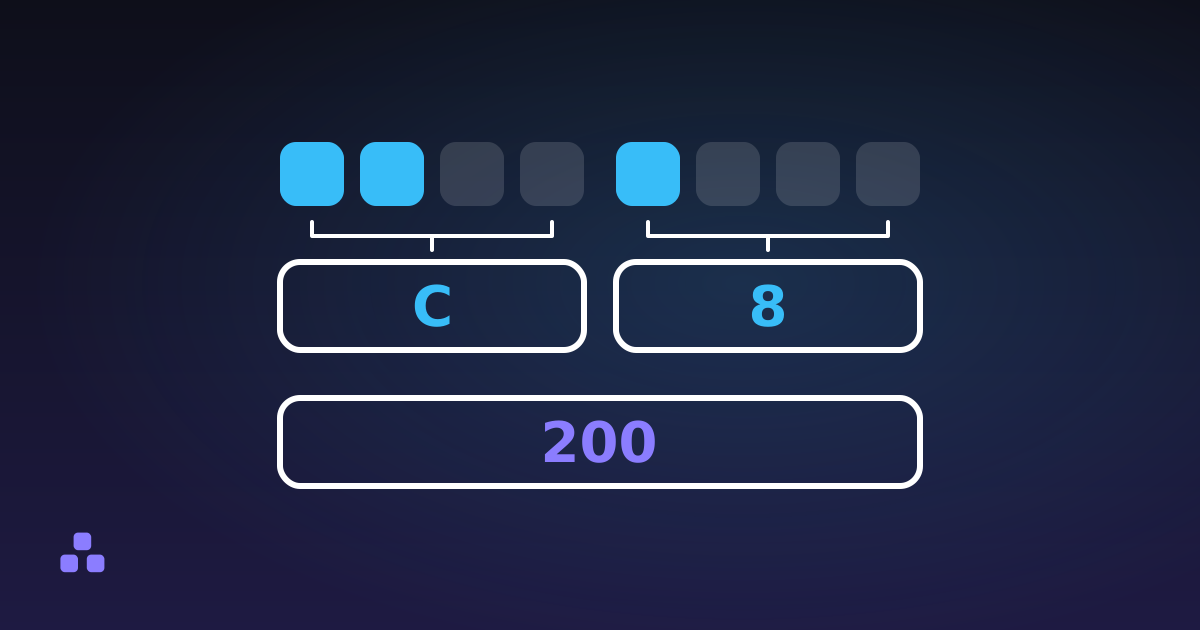 Developer
Binary vs Hex vs Decimal: The Difference Explained
The base only decides how a quantity is spelled. Which one to use depends on whether a human or a circuit is reading it.
Read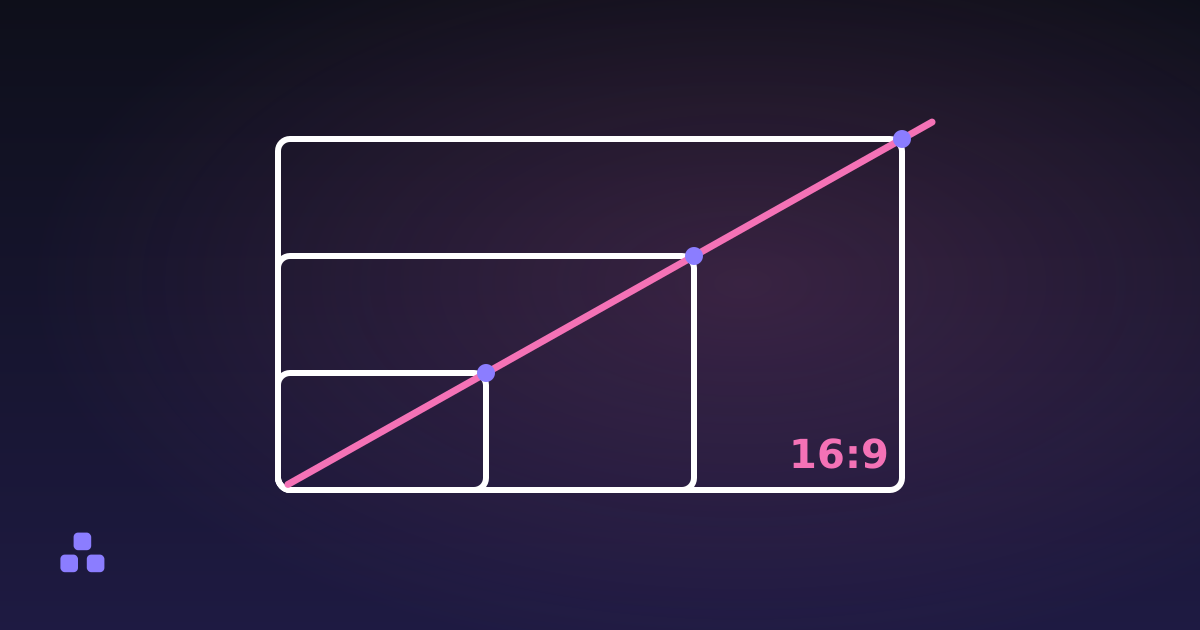 Design
What Is Aspect Ratio? 16:9, 4:3 and the Rest
A ratio is one division: width over height. Here is how to read the notation, work out a missing dimension, and see why the answer keeps coming out as a fraction of a pixel.
Read