Writing about calculators
Nine write-ups on arithmetic that looks simple and is not: why 20% off then 10% off is not 30% off, how VAT is worked out backwards from a total, what a loan schedule hides in its first year, and what BMI does not measure.
 Calculators
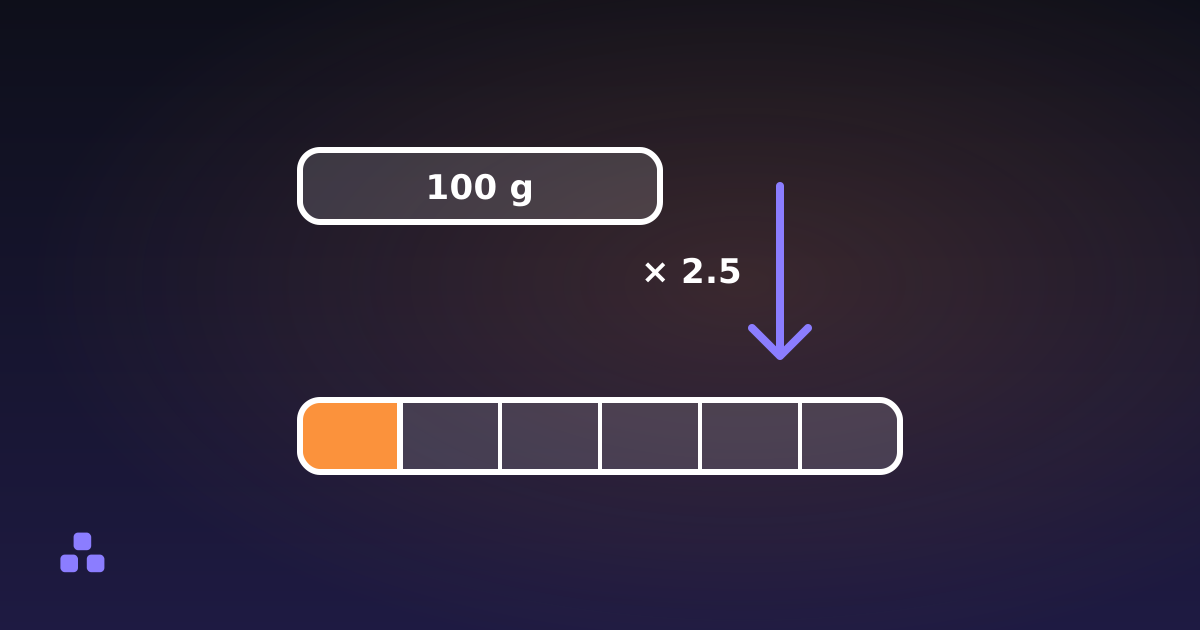
Reading a Nutrition Label in the Other System
Kilojoules or calories, per 100 g or per serving, and a serving that is two thirds of the packet: the conversions, and where a true label still misleads.
Read Calculators
How to Split a Bill Fairly, With Tax and Tip
The arithmetic takes a minute. The part that starts arguments is the shared starter, and whether the tip goes on the tax.
Read Calculators
What CAGR Tells You, and What It Hides
One constant yearly rate that joins a start and an end. How to work it out, why it is not the average return, and what the straight line leaves out.
Read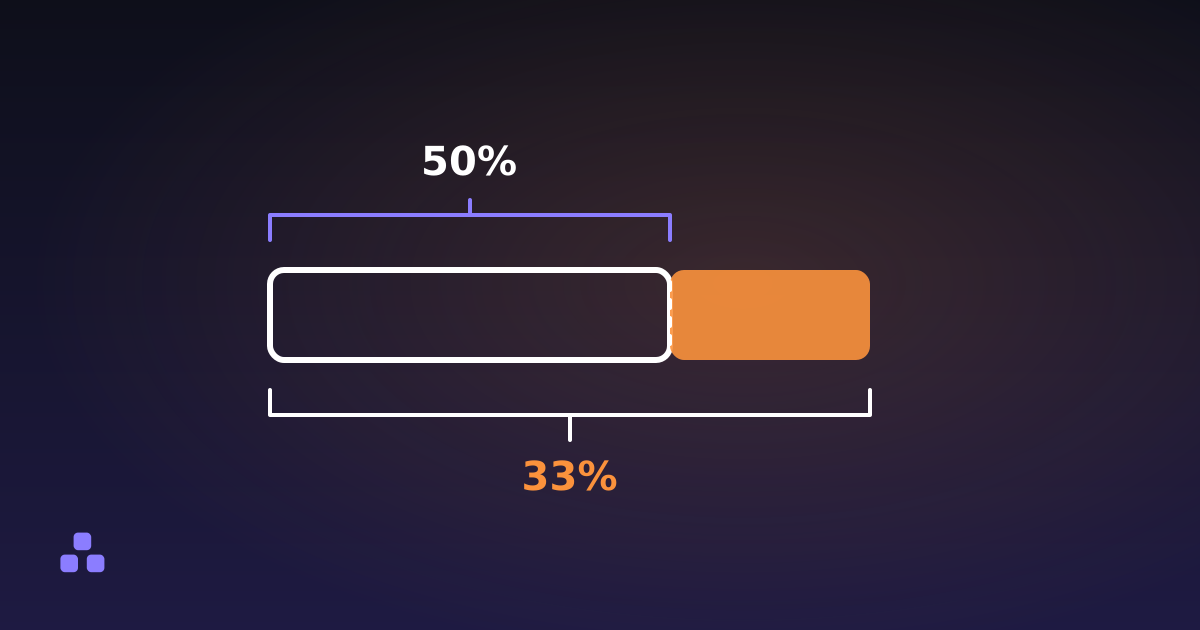 Calculators
Markup Is Not Margin: the Difference, With Numbers
Markup is profit divided by cost; margin is profit divided by price. Same profit, different base, different percentage, and a pricing mistake if you mix them up.
Read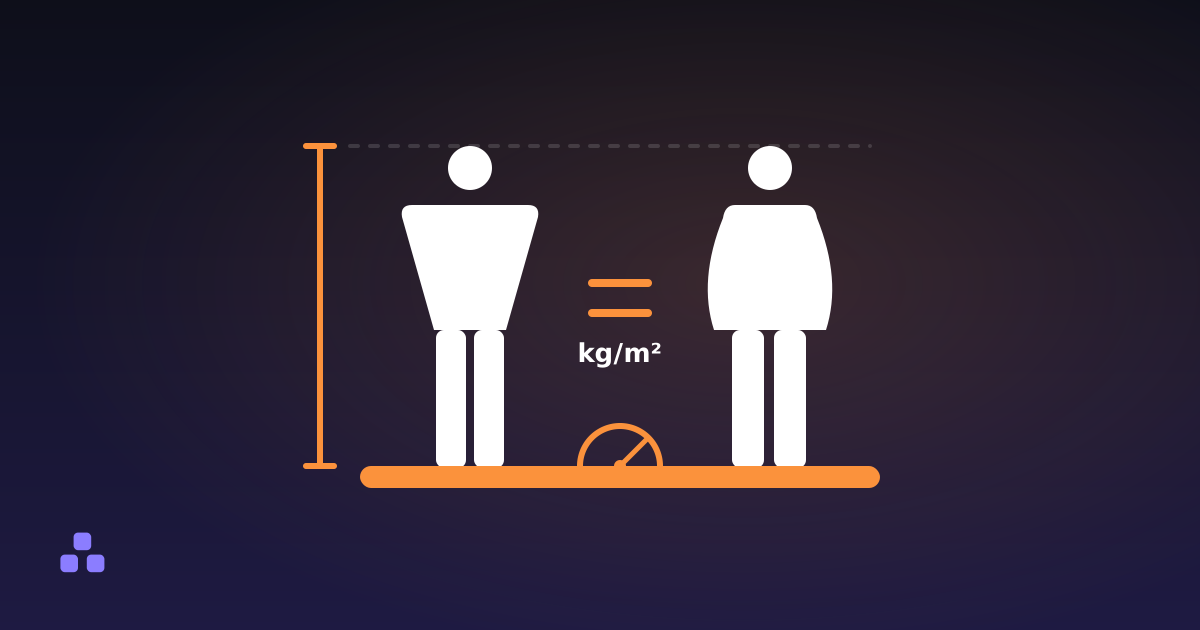 Calculators
What BMI Actually Measures, and What It Misses
One division, two measurements, and a number that gets read as a verdict on a body it never looked at.
Read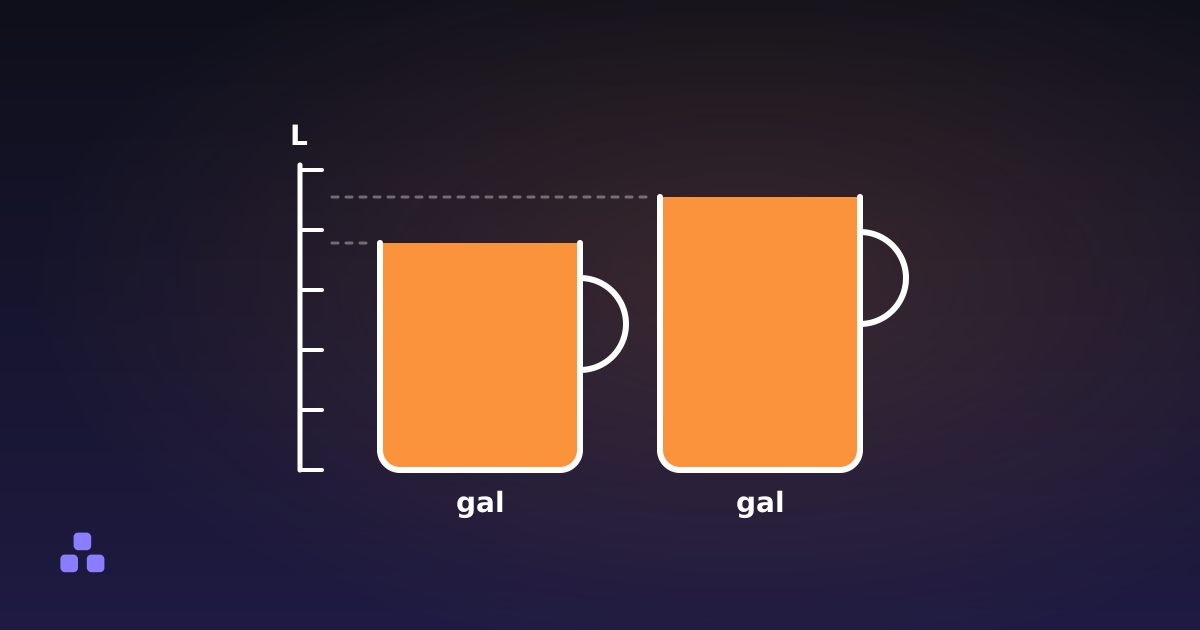 Calculators
Metric to Imperial: The Conversions Worth Knowing
Six exact numbers cover nearly every metric-to-imperial conversion. The trouble is the units that share a name and not a size.
Read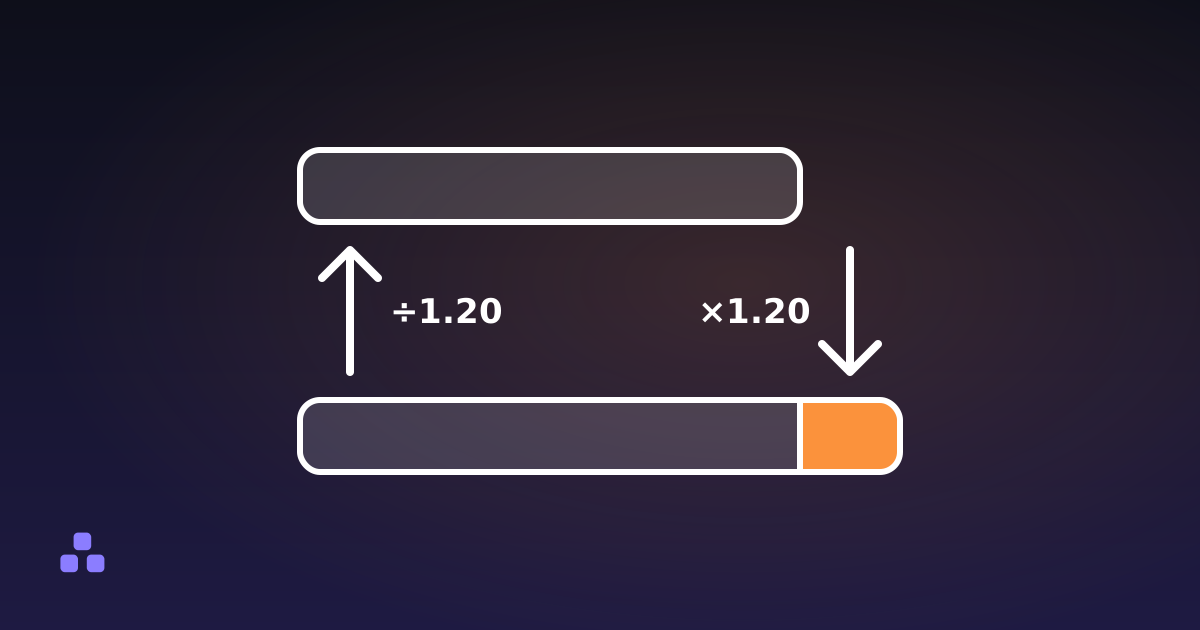 Calculators
How to Calculate VAT: Adding It and Stripping It Out
Adding VAT is one multiplication. Removing it is where people reach for the wrong arithmetic and end up with an invoice that is wrong on every line.
Read Calculators
How to Calculate Percentages Without Getting Lost
Four formulas cover almost every percentage question you will ever have. The mistakes come from picking the wrong base, not from the arithmetic.
Read Calculators
How to Calculate a Discount in Your Head
Multiply by what is left, not by what comes off. The mental version, plus the two cases where the obvious arithmetic gives the wrong answer.
Read Calculators
How Much Should You Tip? Country by Country
The percentage changes at every border, and in half the world the question is whether a service charge is already on the bill.
Read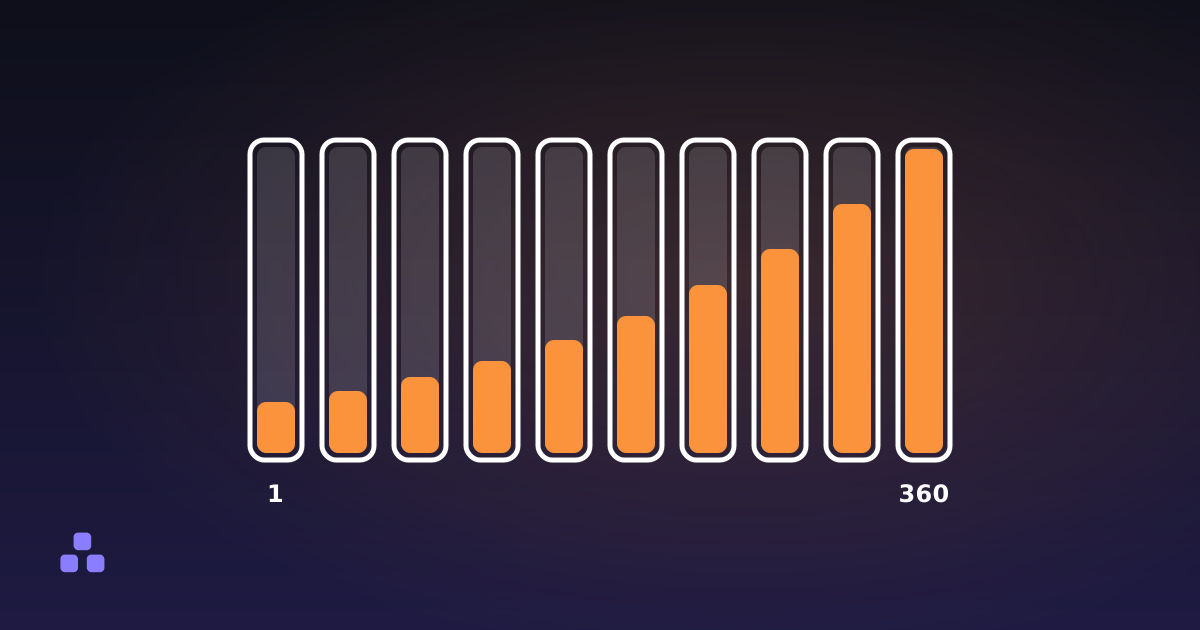 Calculators
How Loan Payments Are Calculated (and Where They Go)
One formula sets the payment on every fixed-rate loan. The interesting part is what happens to that payment once it leaves your account.
Read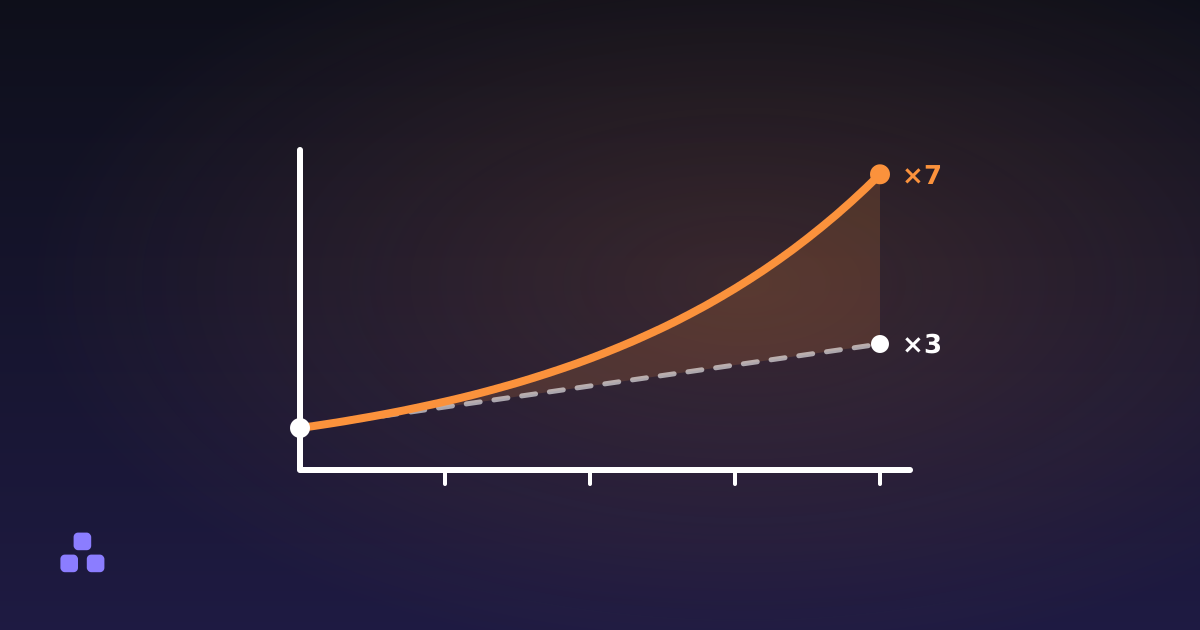 Calculators
How Compound Interest Actually Works
Interest earning interest, shown with real numbers, plus the rate your bank advertises and the one you actually get.
Read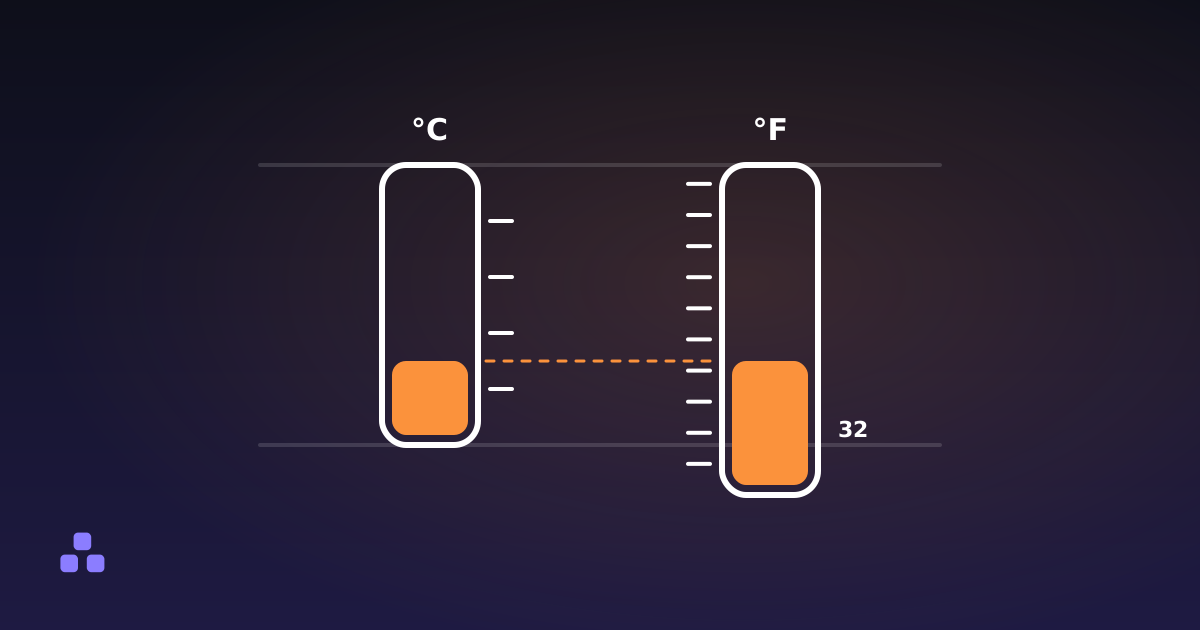 Calculators
Celsius to Fahrenheit: The Formula and the Shortcut
The exact formula, a shortcut that gets it right in your head every time, the rough one that drifts, and the two conversions people still get wrong.
ReadWhere to start
Read markup is not margin if you sell anything. It is a confusion that costs real money and persists for years, because both numbers are percentages and both feel like they describe the same thing.
Then how compound interest works, which is the mechanism behind both the best and the worst financial outcomes most people experience.
What these pieces have in common
Every piece in this category has the same second half: where the calculation stops telling the truth. A percentage is simple arithmetic, and almost all of the trouble comes from what it is a percentage of. Discounts stack against a shrinking base. Markup and margin divide by different numbers. A nutrition label is accurate per hundred grams and misleading per serving, because somebody chose the serving.
So the writing here tends to spend as long on the caveat as on the formula. What BMI actually measures and what CAGR actually tells you are both about numbers that are quoted far outside the range where they mean anything, and how much to tip by country is about a calculation whose correct answer is entirely social.
Frequently asked questions
What is the difference between markup and margin?
Markup is profit as a percentage of what the item cost you; margin is profit as a percentage of what you sold it for. An item bought at 100 and sold at 150 carries a 50 percent markup and a 33 percent margin. Confusing them means consistently underpricing, and the error grows with the percentage.
Does compounding frequency make much difference?
It matters more the longer the term runs. At 10 percent on 10,000 for twenty years, annual compounding gives about 67,275 and monthly gives about 73,281. The rate is identical; the difference is purely how often interest starts earning interest of its own.
Is BMI a useful measure of health?
For comparing populations it is useful and cheap. For an individual it is weak, because it is only weight divided by height squared and cannot distinguish muscle from fat or account for frame and body composition. Athletes routinely register as overweight by a measure that was never designed to assess one person.
All categories
PDF 10Images 10Text 14Design 11Security 8Developer 20Everyday 4Time 7